

 English
  日本語
日本語 Within Kyoto City
Latest content and event information
-

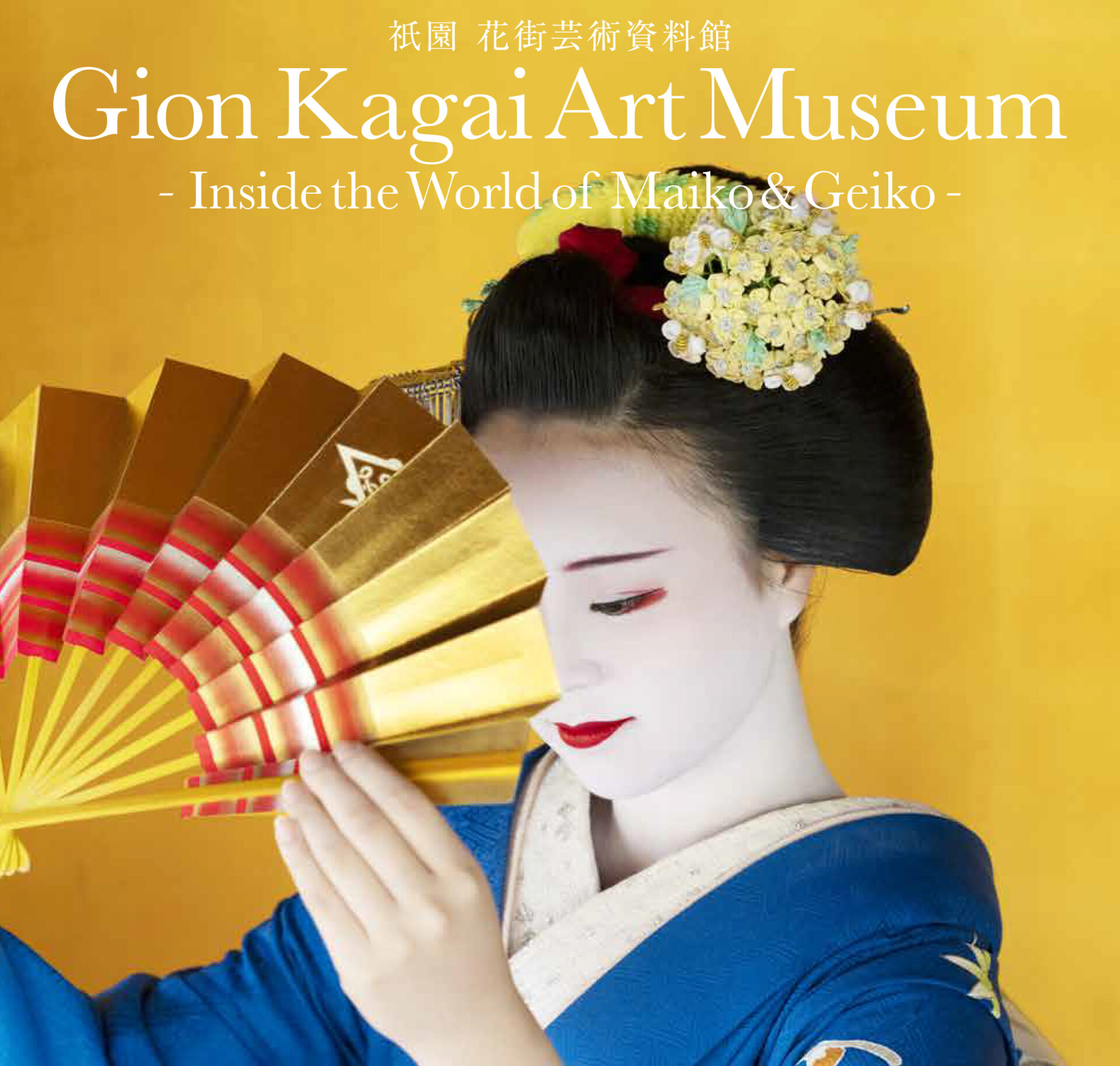
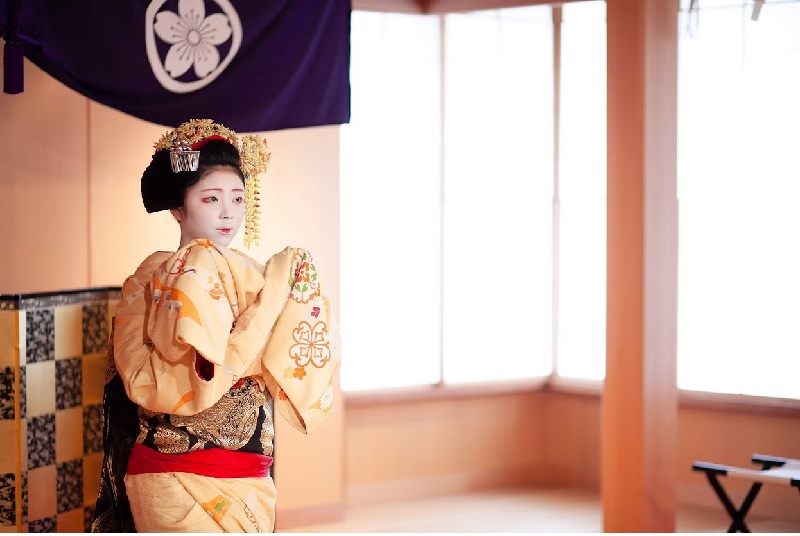
A city where the culture of geisha and maiko who provide heartfelt hospitality through their dancing and other traditional arts has been passed down for generations, and where Kyoto's traditional culture is carefully preserved."Glamorous district"Kyoto's entertainment district flourished as a major center of hospitality culture.
In the Kagai district, geisha and maiko have the spring and autumn performances as their one goal, but they also spend their days training in dance and other performing arts, as well as studying traditional culture such as the tea ceremony. The kimonos and other attire that complement them are supported by the skills of many artisans, including traditional craft artisans, hairdressers, and kimono dressers. In addition to events unique to the Kagai district, such as the opening ceremony, they also inherit seasonal customs and continue to cherish and protect Kyoto's traditional culture by participating in traditional Kyoto events such as the Jidai Matsuri.
Let's experience traditional culture at this valuable museum located in the entertainment district of Gion Kobu.
Hanamachi Art MuseumKyoto DanceKYOTOLink Kyotomaikogeishatraditional craftsLINK KYOTOKyoto tourism moralsKyoto sustainable tourismsustainablecarbon neutralKyoto sightseeingKyoto's Unique VenuesKyoto cultureEmpty-handed sightseeingEntertainment districttraditional culture
-

① Visit to the Silk Fabric Museum (time required: about 15 minutes)
The White Silk Fabric Museum is a museum specializing in white kimono fabrics. We exhibit about 50 types of white fabrics carefully selected from the 200 types and 3,000 patterns that Itoyuki has woven so far for post-dyeing (dyed kimono), where fabric is woven from raw silk and then dyed later. You can actually touch the white fabrics, which have various characteristics depending on the production area and type of thread, and see their texture and beautiful luster. We will introduce the process of making one bolt of white fabric, including cocoon production by domestic silkworm farmers and information on the amount of cocoons needed for a kimono.
② "Handloom" Experience (Time required: approx. 15 minutes)
Our in-house instructor will demonstrate the handloom weaving process and explain how the warp and weft threads work. Afterwards, you can enjoy the experience of weaving using a handloom.3. Kinsai Yuzen Workshop (Time required: approx. 1 hour 30 minutes)
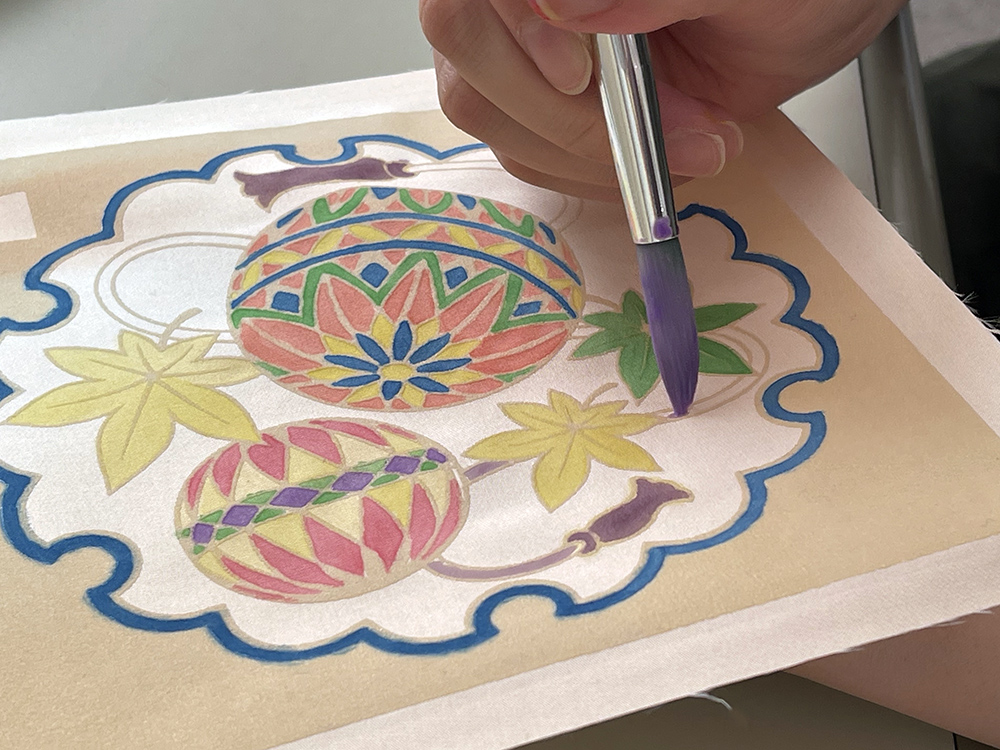
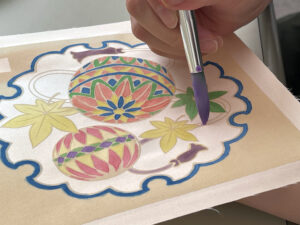
Enjoy the experience of dyeing pure silk fabric, a high-quality material used in kimonos, with the Yuzen technique and finishing with gold leaf. Our in-house instructors will provide careful instruction, so even beginners can participate with confidence. The completed work will be framed and handed to you, so you can take it home as a keepsake.Link KyotoKyoto experiencetraditional craftsLINK KYOTOKyoto sustainable tourismsustainableKyoto sightseeingKyoto culturetraditional culture
-

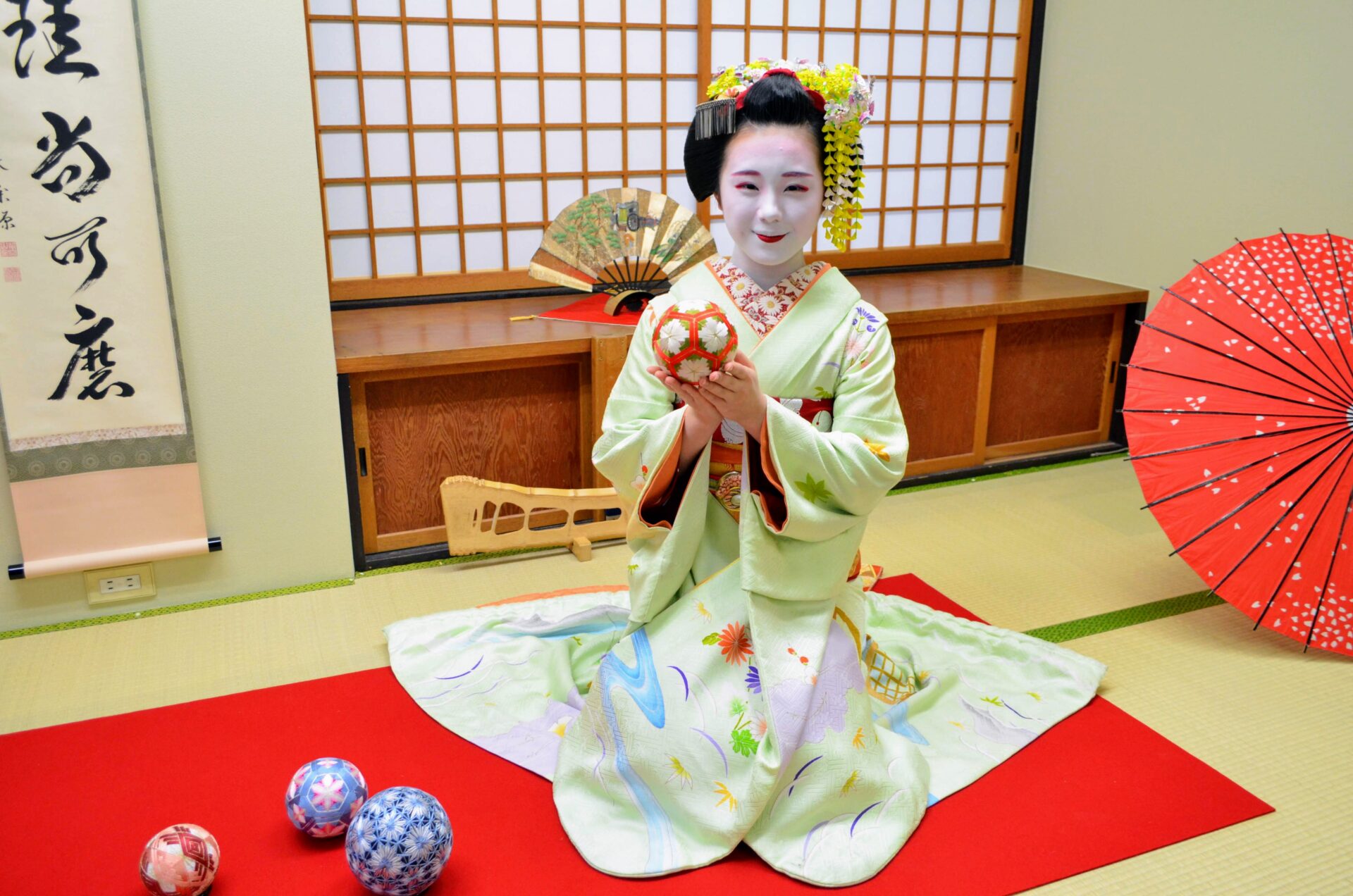
This is a rare opportunity to be introduced to a real Kyoto maiko (or geisha), learn, enjoy the senses, and be enchanted as you watch the maiko perform traditional Kyoto dance, interact with her, ask questions, and take souvenir photos.
*Explanation will be in English.
-

A long-established inn founded in 1912"Sumiya Ryokan"
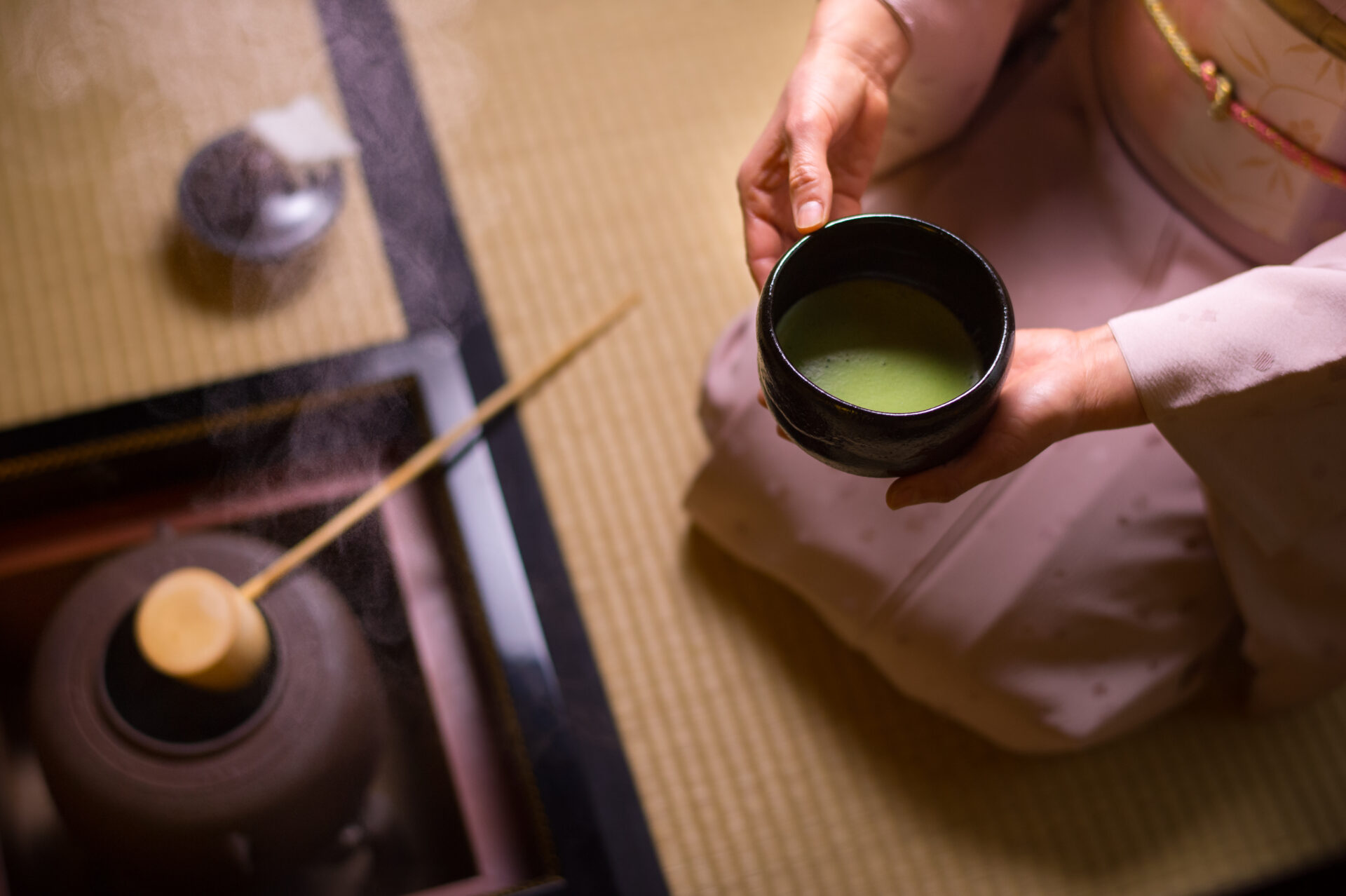
The calm, sukiya-style building stands out in Sanjo Fuyacho, the heart of Kyoto. From the guest rooms and teahouse, you can enjoy the beautiful changes of the seasons in the courtyard.At the matcha experience at Sumiya Ryokan, you will be taught how to make and drink matcha, and you can try making it yourself or drink the matcha you made with your family or friends.You can have a fun time.
Sumiya Ryokan is also famous as a tea ceremony inn with deep ties to the Urasenke school. There are five tea rooms in the building, the most famous of which is Gyokutoan. It was named by the 14th head of the Urasenke school, Tantansai, after his predecessor, who was born in the year of the rabbit.
This plan is,Private plans for groupsFor those who are not comfortable sitting upright, we also have chair seats available. Please take this opportunity to come to Sumiya Ryokan.
The official website of Sumiya Ryokan can be found here
Private experiencePrivate ExperienceSumiya RyokanMatcha ExperienceKYOTOKyoto experienceTea ceremonylong-established storeMatchatea roomLINK KYOTOhistoryexperienceKyoto's Unique VenuesgenuineKyoto culturetraditional culture
-

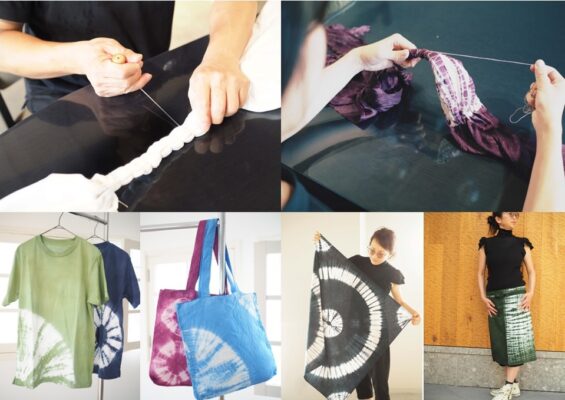
"Tie-dye"It is a method of dyeing kimono that has been passed down in Japan for about 700 years.
By tying the fabric with thread and applying pressure, the fabric is dyed in a state where it is under pressure.
This is a traditional tie-dyeing technique called "makiage shibori," which creates patterns without the dye soaking through.
The way the pleats are gathered and the way the string is wrapped around the fabric will affect how the white background appears,
The skill comes into play in deciding which parts to dye.
You can choose from a wide range of 20 colors.
You will create a unique, one-of-a-kind piece of art just for you.
You can take your creations home with you.
experiencetaikenKYOTOLINK KYOTOhistoryexperienceKyoto's Unique VenuesKyoto culture
-

"Okazaki-an" is a Japanese-style mansion built by "Ueba Hide", a famous geisha in Kyoto, to live out the rest of her life with her husband "Shundo Koji", who was a producer at Toei, and their daughter "Takako".
It is a luxurious building with modern interior design and a Noh stage made entirely of cypress, which was rare at the time, and the windows offer a panoramic view of the torii gates of Heian Shrine and Mt. Daimonji.
This is a luxurious plan where you can enjoy a meal while watching a maiko perform on the Noh stage in this elegant setting.
Limited to one group per time slotSo, after your viewing, you can take commemorative photos, chat with the maiko, and have them all to yourself, which will surely be an unforgettable memory of your trip to Kyoto.
*This plan is a reservation by request. After you apply online, we will contact you by email after confirming with the operator whether or not the reservation can be made on the date you wish to make.
Japanese ResidenceOkazakianDance AppreciationOkazakiKYOTOLink KyotoKyoto experiencespecialmaikogeishaLINK KYOTOKyoto sightseeingKyoto's Unique VenuesgenuineKyoto culturetraditional culture
-

Tadasu Noh
- What Tadasu Noh Is
A journey to encounter a millennium-old culture
Kyoto, the ancient capital with a history spanning over a millennium, has continually transformed with the changing seasons, while quietly safeguarding the roots of its culture.
When travelers walk through Kyoto, what they encounter is not only its scenery or traditions. They also come into contact with the ways of life that people have woven over generations, and with the “time of culture” embedded even in the smallest grains of material.
In this special feature, "Encountering a Thousand-Year-Old Kyoto," we visit businesses that are tackling the "inheritance of invisible culture" head-on and explore the essence of regenerative tourism - nurturing the future together with the local community.
This time I visited,Tadasu Noh, hosted by the Shimogamo Shrine Tadasu Noh Preservation Society
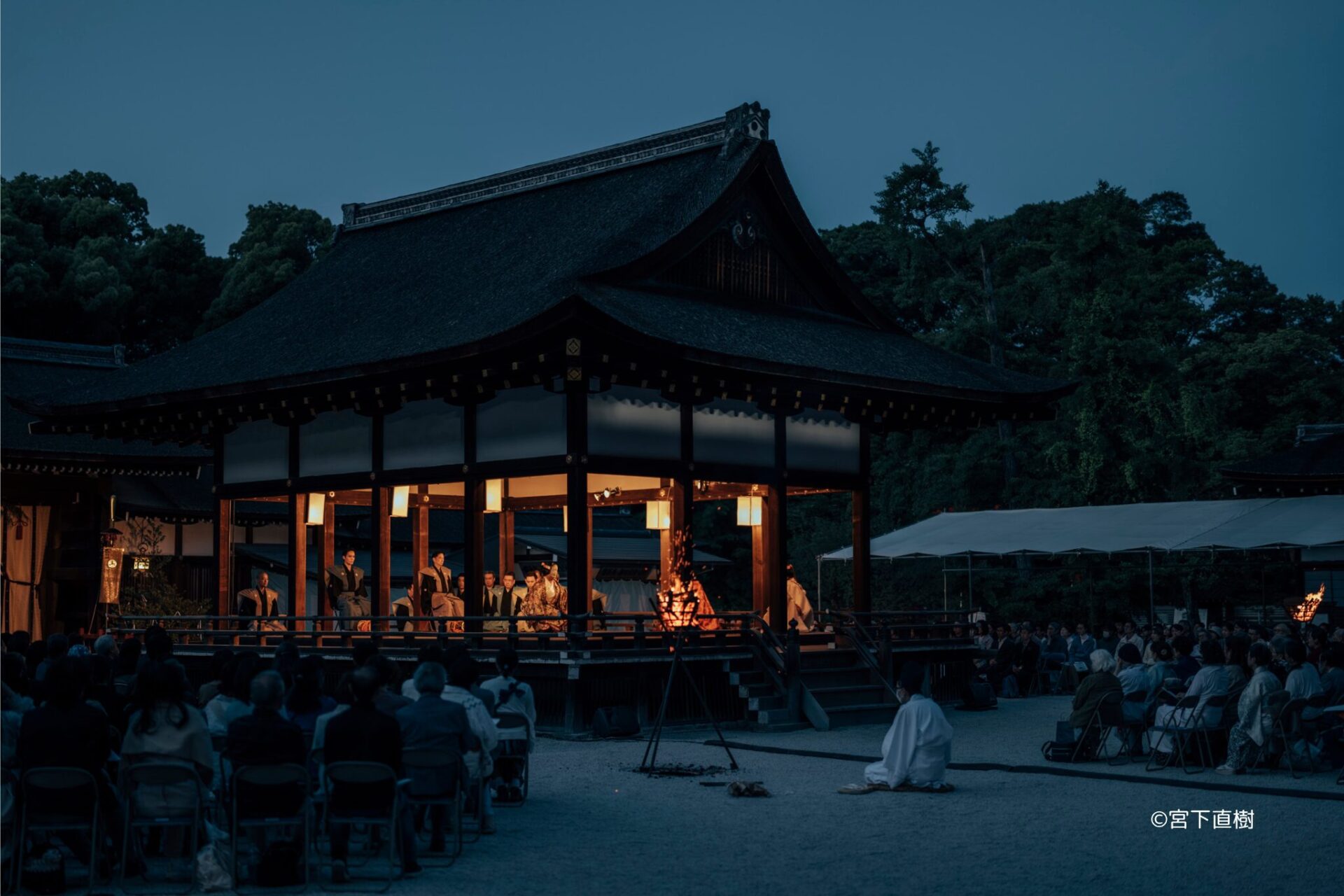
"Tadasu Noh" is performed in the dance hall of Shimogamo Shrine in Kyoto.
This is a special Noh performance held in the forest.As bonfires light up in the Tadasu Forest at dusk, the sounds of flutes and drums gently echo, and the audience experiences a moment when nature and performing arts blend together.
This event is a revival based on the "Tadasugawara Kanjin Sarugaku" that was held approximately 550 years ago.
It was performed again in 2015 on the occasion of the Shimonen Sengu (yearly rebuilding of the shrine) at Shimogamo Shrine, and has now become an established annual event held after the Aoi Festival.
The rustling of leaves, the chirping of birds, and even the crackling of firewood all become part of the stage, and the Noh performance itself progresses in harmony with nature.
Tadasu Noh is a festival that depicts the time when people and nature coexist, quietly evoking the image of "prayer" that lies at the origin of Noh.
And at its core is the unique worldview of this land, where forests and people live in harmony.
Next, we will take a closer look at the appeal of Tadasu-noh.
SustainableTadasu abilityCulturalKyoto sustainable tourismsustainable
-

The Kyoto Institute of Invention and Innovation has supported local industry and intellectual property for over 100 years since its founding in 1901. In this program, "Kyoto Invention Classroom," participants will have fun learning about the mechanisms of invention and the role of intellectual property, using topics ranging from historical inventions born in Kyoto to the latest technologies that support our daily lives.
This is an inquiry-based learning program that involves lectures and hands-on workshops, allowing children to ask themselves questions, seek answers, and grasp clues for solving future problems. It combines traditional wisdom with modern technology to foster creativity and multifaceted thinking.Field trips for adultsinventionEdisonWorkshopKyoto Institute of Invention and InnovationKyoto experienceLINK KYOTOsustainable
-

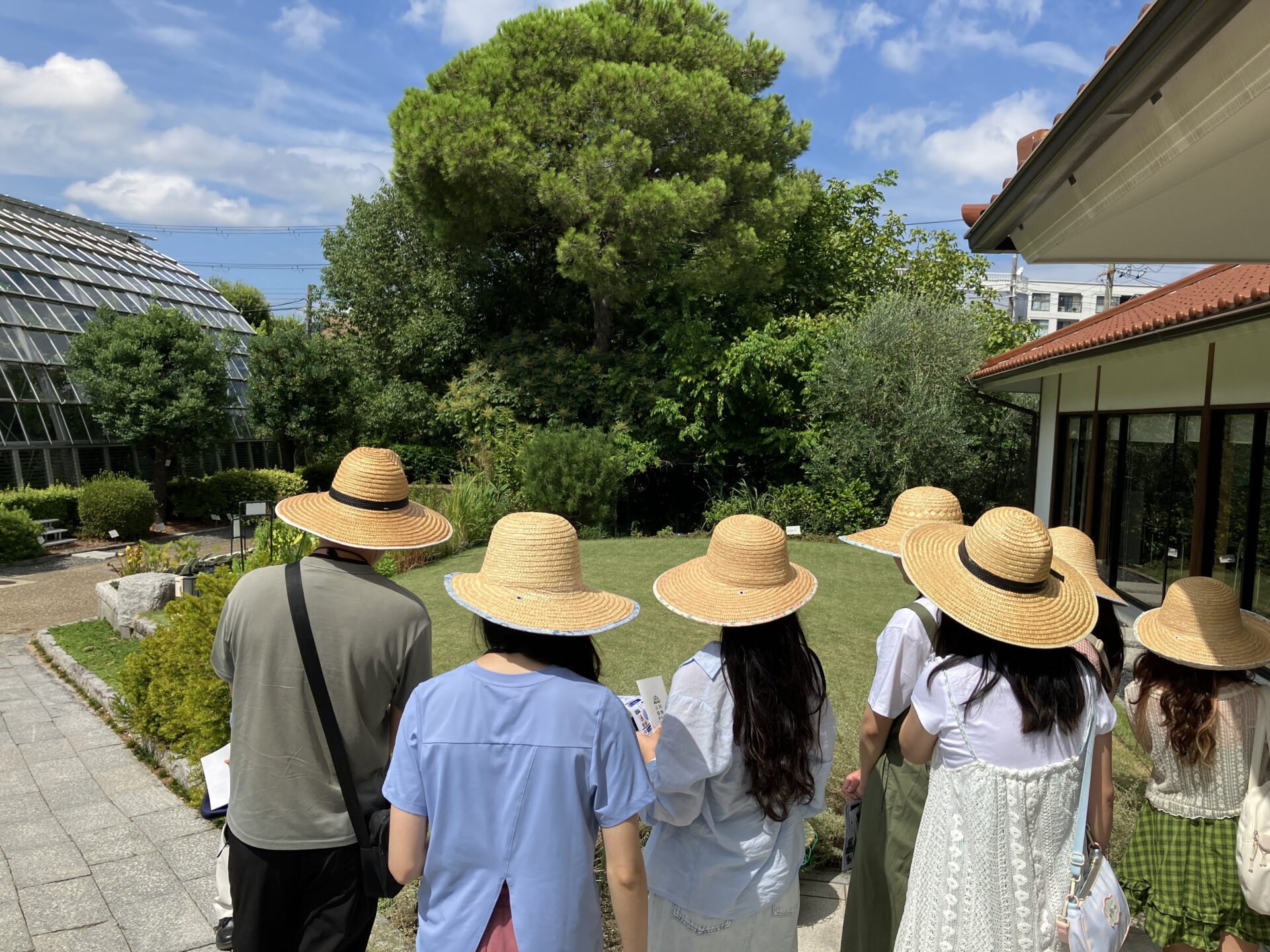
We are committed to contributing to people's health through pharmaceuticals and functional foods. Santonin, our revolutionary roundworm treatment, is made from the plant Artemisia miltiorrhiza. The world is home to a diverse range of plants, from the trees you see on your way to school to plants that produce fruit for snacks and even medicinal plants. The Yamashina Botanical Museum collects and cultivates approximately 3,000 species of plants from around the world. During your tour, you will experience the mysterious allure of plants. You will also learn about the evolution of pharmaceutical development throughout our company's history. Furthermore, you can utilize this opportunity for career development through interactions with employees who are committed to contributing to health.
Field trips for adultsplantmedicineLINK KYOTOhistoryexperience
-

- Considering the future of "Kyoto's Kitchen" -
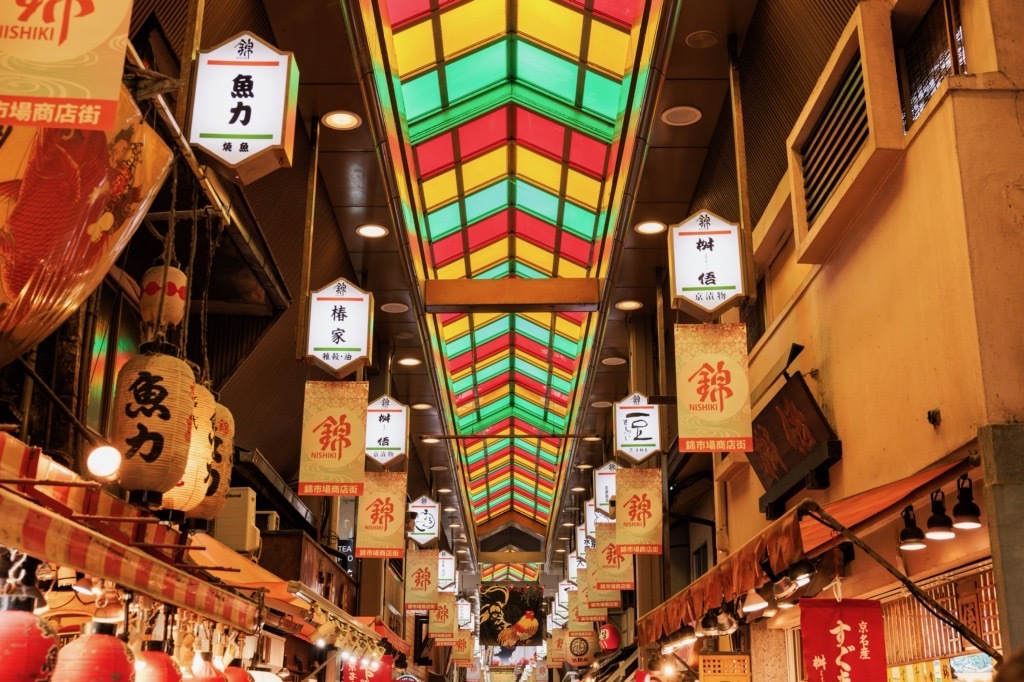
Nishiki Market has flourished as a fish wholesaler since the Edo period, with over 130 stores lined up along the 390 meters from east to west from Teramachi to Takakura. Walking through the long market is like walking down a road of 400 years of history. Learn about 400 years of history and food culture, and think about the "responsibility to the future" that Nishiki Market bears in the field of "food," which is closely linked to the SDGs!Field trips for adultsNishiki Market Shopping Street, KyotoLINK KYOTOKyoto sustainable tourismexperienceHospitalityKyoto culture


 Kyoto
experience
Kyoto
experience Contact us by phone
 Contact by email