

 English
  日本語
日本語 Latest information on content and events
CONTENTS / EVENT
-
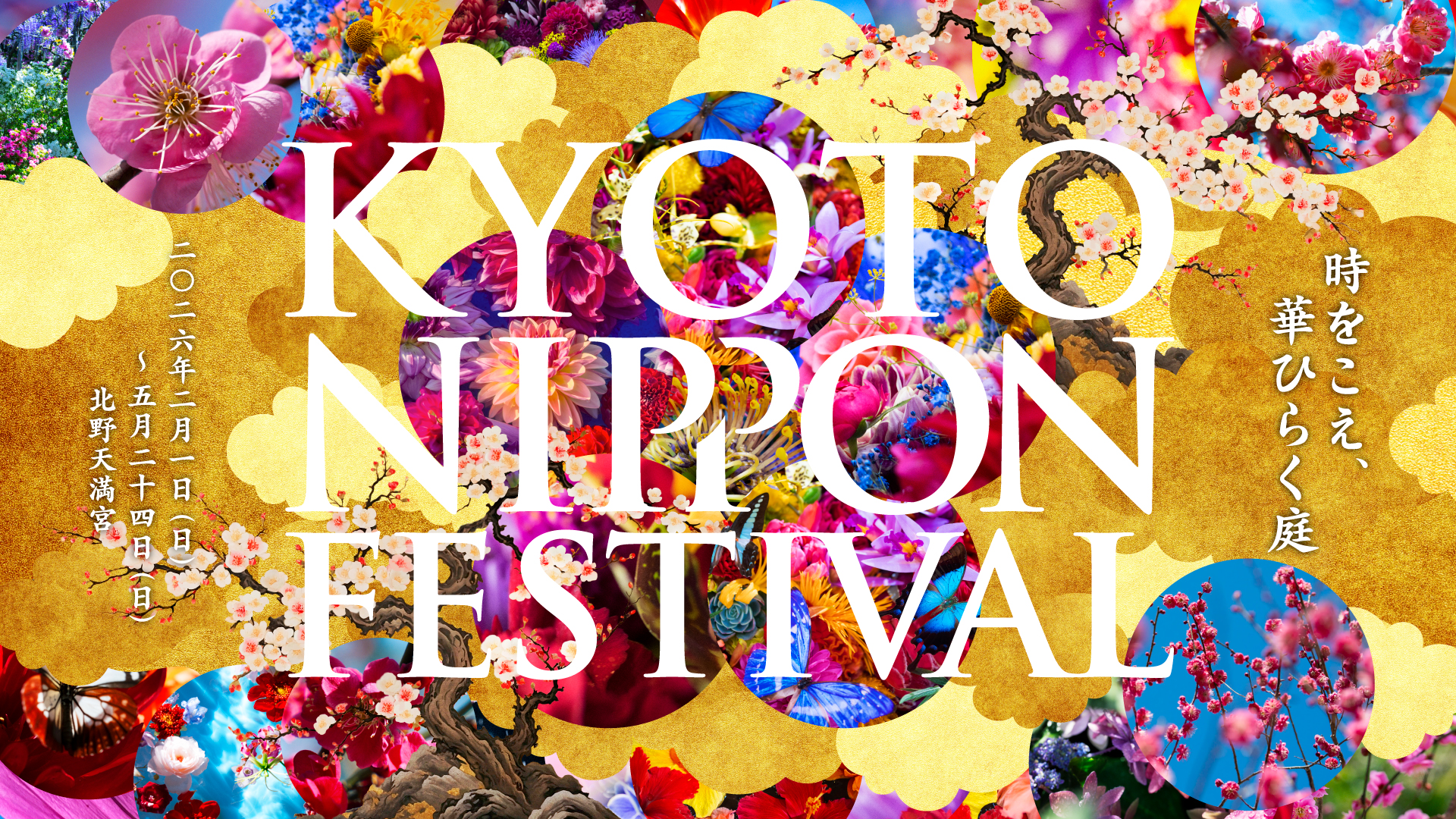
 Experience Mika Ninagawa's first art installation that combines real flowers at Kitano Tenmangu Shrine, a famous spot for plum blossoms. This special JTB nighttime reservation plan includes exclusive admission to the "Kyoto Nippon Festival 2026" by Mika Ninagawa with EiM, the Plum Garden "Garden of Light and Flowers," and the Odoi Baikoken "Afterglow."
 -
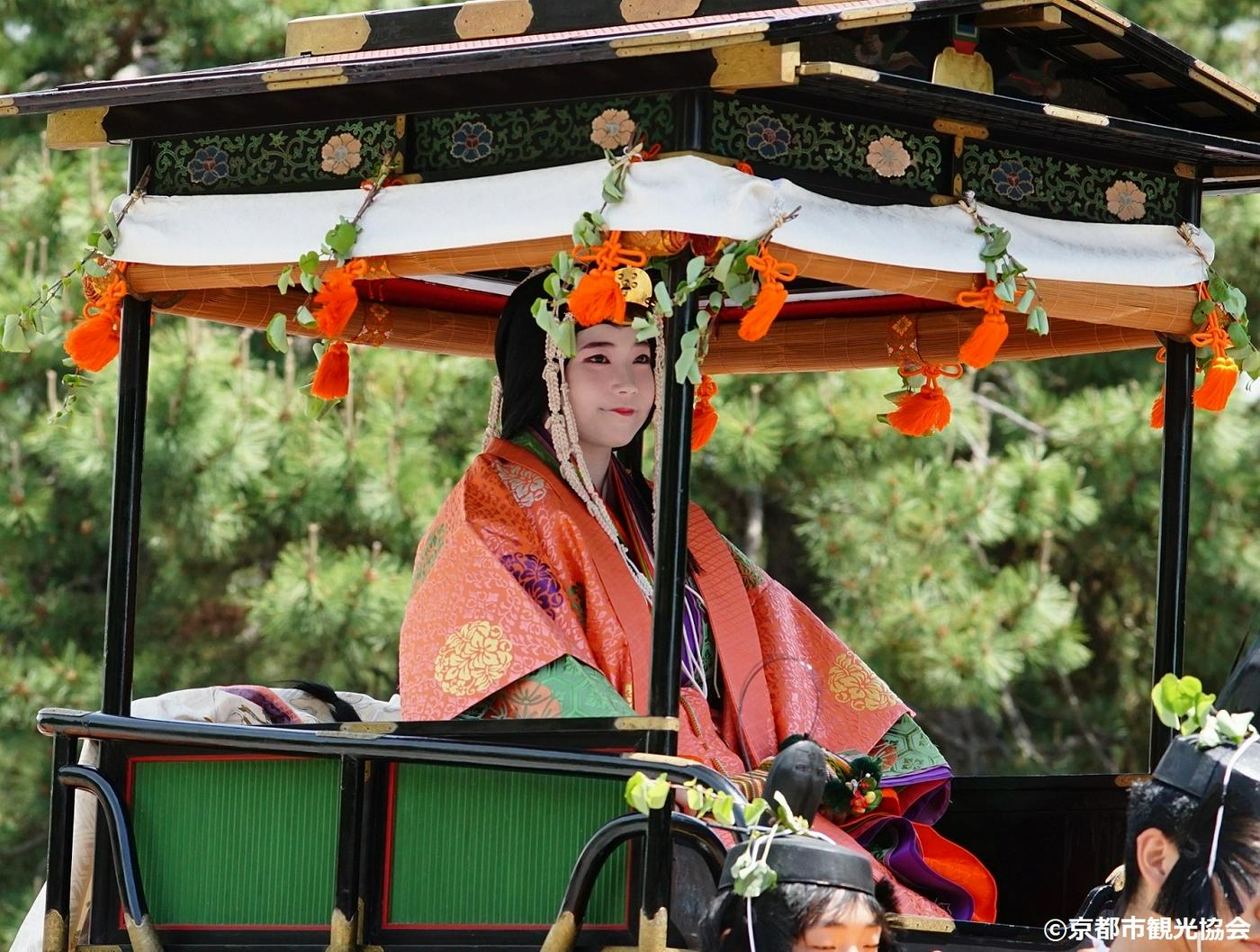
 The Aoi Festival (officially known as the Kamo Festival) is the annual festival of Kamomioya Shrine (Shimogamo Shrine) and Kamo Wakeikazuchi Shrine (Kamigamo Shrine), and is a ritual to pray for the safety and security of the nation and its people. It is held on May 15th, when the fresh green leaves are shining brightly, and is counted as one of Kyoto's three major festivals, along with the Gion Festival and the Jidai Festival.
 -
 The canal boat service will run from Thursday, March 26th to Sunday, June 14th. This year, the service period in June has been extended by one week compared to usual, allowing you to enjoy a longer season from spring to early summer. You can also take advantage of the limited-time "Lake Biwa - Otsu Port Service*." In addition to the cherry blossom trees lining the waterway, you can also enjoy the expansive scenery unique to Lake Biwa. (*) The "Lake Biwa - Otsu Port Service" will only operate for eight days, from Thursday, March 26th to Sunday, March 29th, and from Thursday, April 2nd to Sunday, April 5th. On all other days, the regular "Mii-dera" service will operate. Enjoy the splendor of cherry blossom season, as well as the beautiful fresh greenery of early summer—no matter what time of year you visit, be sure to enjoy this fascinating canal boat trip.
springSAKURACherry blossomLake BiwaCruiseLink KyotoLake Biwa canal boatcanalscenicLINK KYOTOcherry blossomssustainableKyoto sightseeing
-
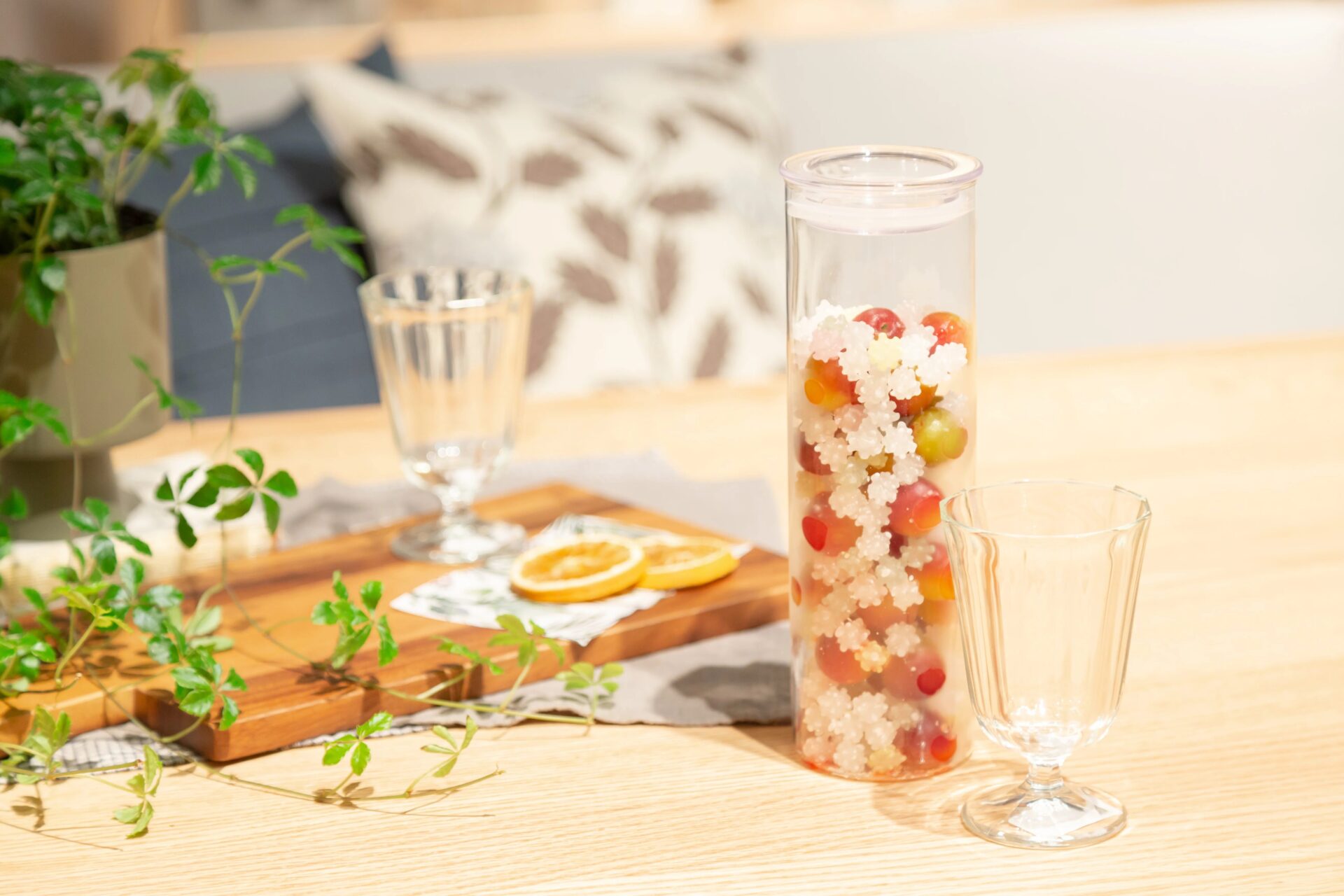
 Ume was brought to Japan about 2000 years ago. Revered among Japanese for its health benefits, the usage of ume (whether it’s food provisions for warriors, natural remedies, or luxury items) has been evolving with the passage of time. CHOYA UME STUDIO, a ume specialty shop where people can experience the ume culture of Japan in a modern style to engage "a culture that fosters connections with loved ones," we continue to develop it while preserving traditional culture. From the historic cities of Kyoto, it is shared with the world.
SDGs area of this content
TeaKyoto experienceUji teaMatchaKyoto sustainable tourismKyoto sightseeingtraditional culture
-
Cultural TourismSustainability
A tour that lets you experience the "sustainability" of Kyoto, a city that has continued for a thousand years (model course)
 Kyoto, which has existed for a thousand years, is alive with the wisdom of the people who have lived in harmony with nature and nurtured its culture. The message that LINK KYOTO conveys is that experiencing this unique Kyoto culture and lifestyle and continuing to protect its splendor is what will lead to sustainability for the future.
SDGs area of this content
-
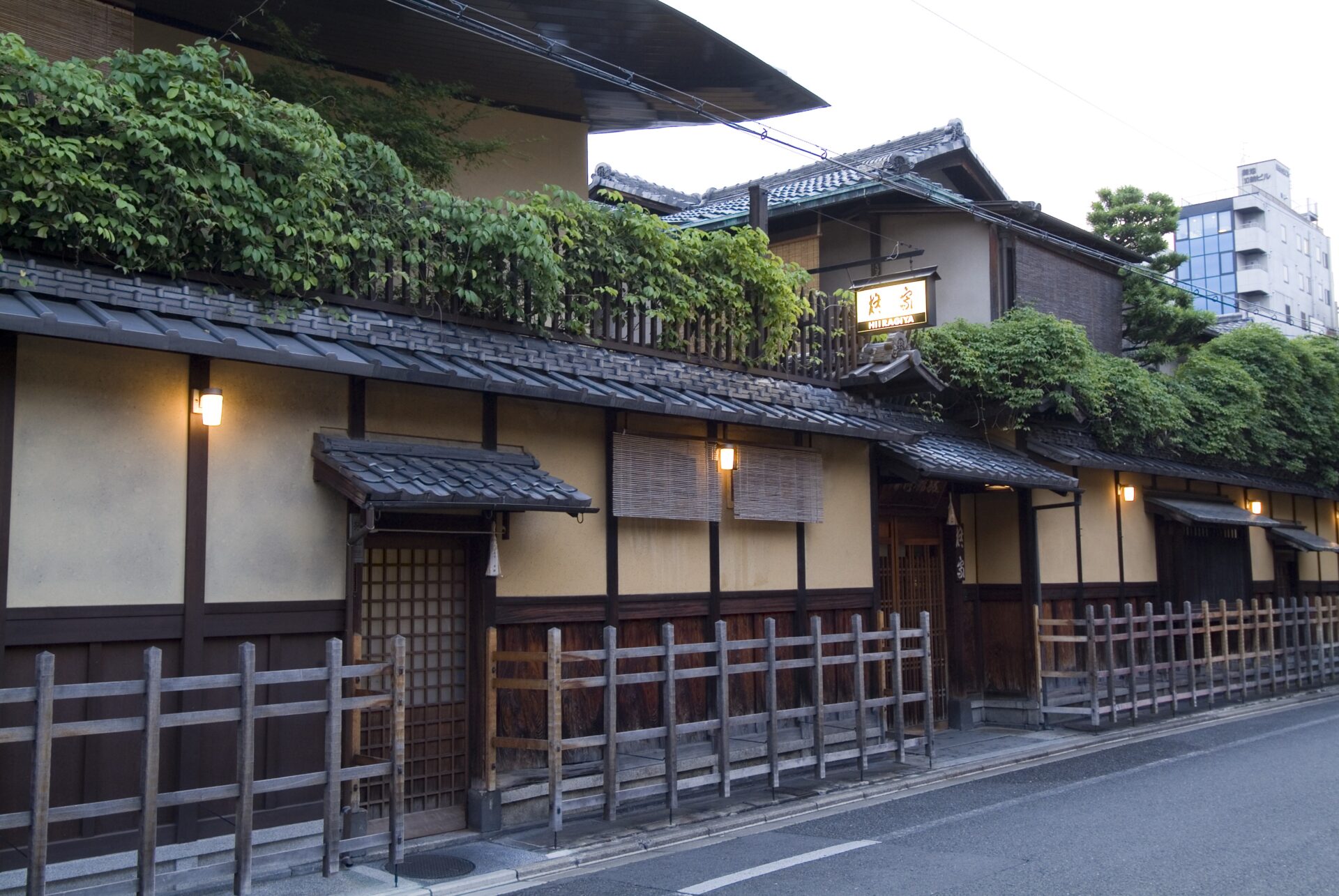
 Kyoto, the capital of a thousand years, has quietly preserved its cultural roots while changing with the seasons. When travelers walk through Kyoto, they encounter not only its landscapes and traditions, but also the people's lives and the "cultural time" that resides in every grain of fabric. In this special feature, "Encountering a Thousand-Year-Old Kyoto," we visit businesses that are directly addressing the "invisible preservation of culture" and explore the essence of regenerative tourism—nurturing the future together with the local community. This time, we visited Hiiragiya, a quiet inn nestled on Fuyacho Street. We spoke with Representative Director Mai Jojima, Managing Director Kazuki Jojima, and Director and Head Landlady Akemi Nishimura about the inn's history and hospitality. The essence of Kyoto lies in the inn's approach, which embodies the Kyoto aesthetic of "modest and unassuming" and has quietly continued to weave culture together with the local community.
SDGs area of this content
-
Cultural TourismSustainability
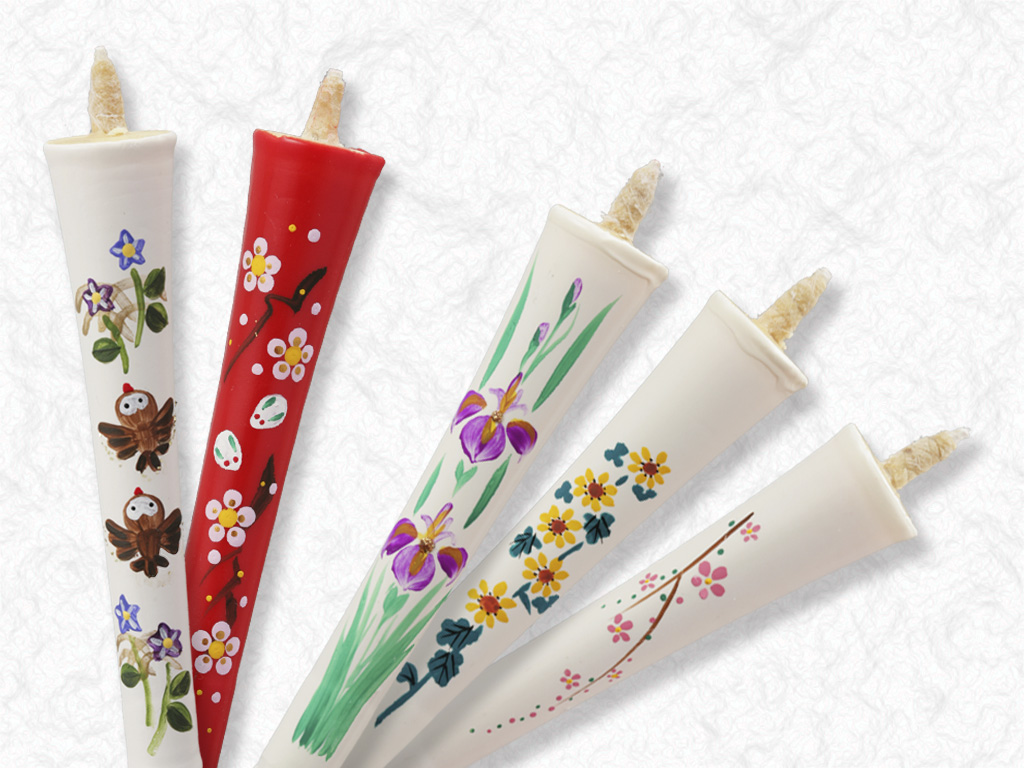
Encountering a Thousand Years of Kyoto ~Nakamura Candle~
A quietly flickering light connects Kyoto's future A journey to encounter a thousand-year-old culture. Kyoto, the capital of a thousand years, has continued to preserve its cultural roots while changing with the seasons. When travelers walk through Kyoto, they encounter not only the scenery and traditions, but also the activities of the people who have woven it and the "time of culture" that resides in every grain of material. In this special feature, "Encountering a Thousand-Year-Old Kyoto," we visit businesses that are directly addressing the "preservation of invisible culture" and explore the essence of regenerative tourism - nurturing the future together with the local community. In this issue, we introduce Nakamura Candle, which has been dedicated to making Japanese candles since its founding in 1887 (Meiji 20). We spoke with Representative Director Koichi Tagawa about the company's efforts to preserve the "intangible culture" that has been passed down through the light of candles.
SDGs area of this content
-
Cultural TourismSustainability
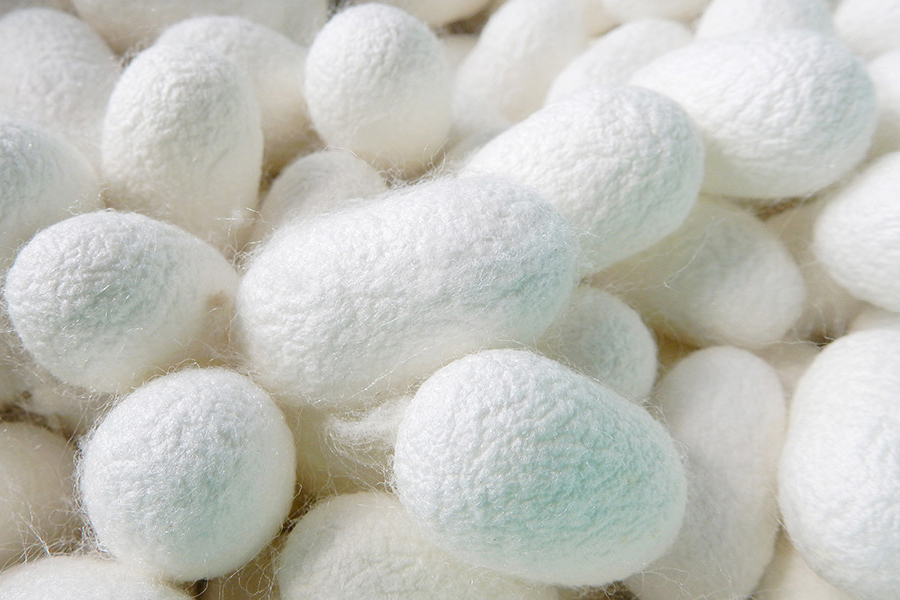
Encountering a Thousand Years of Kyoto - Itoko
Passing the thread of life to the future: Kyoto's activities connected by pure domestic silk On this journey to encounter a millennium of culture, we visited Itoyuki, a long-established manufacturer that has continued to focus on pure domestic silk. Located in Kyoto, where textile culture is deeply rooted, this company has pioneered a wide range of products, from plain fabrics to interior décor, and is a living example of the "current state of silk culture" where nature and human activity are carefully intertwined.
SDGs area of this content
experiencetraditional craftsKyoto sustainable tourismsustainabletraditional culture
-
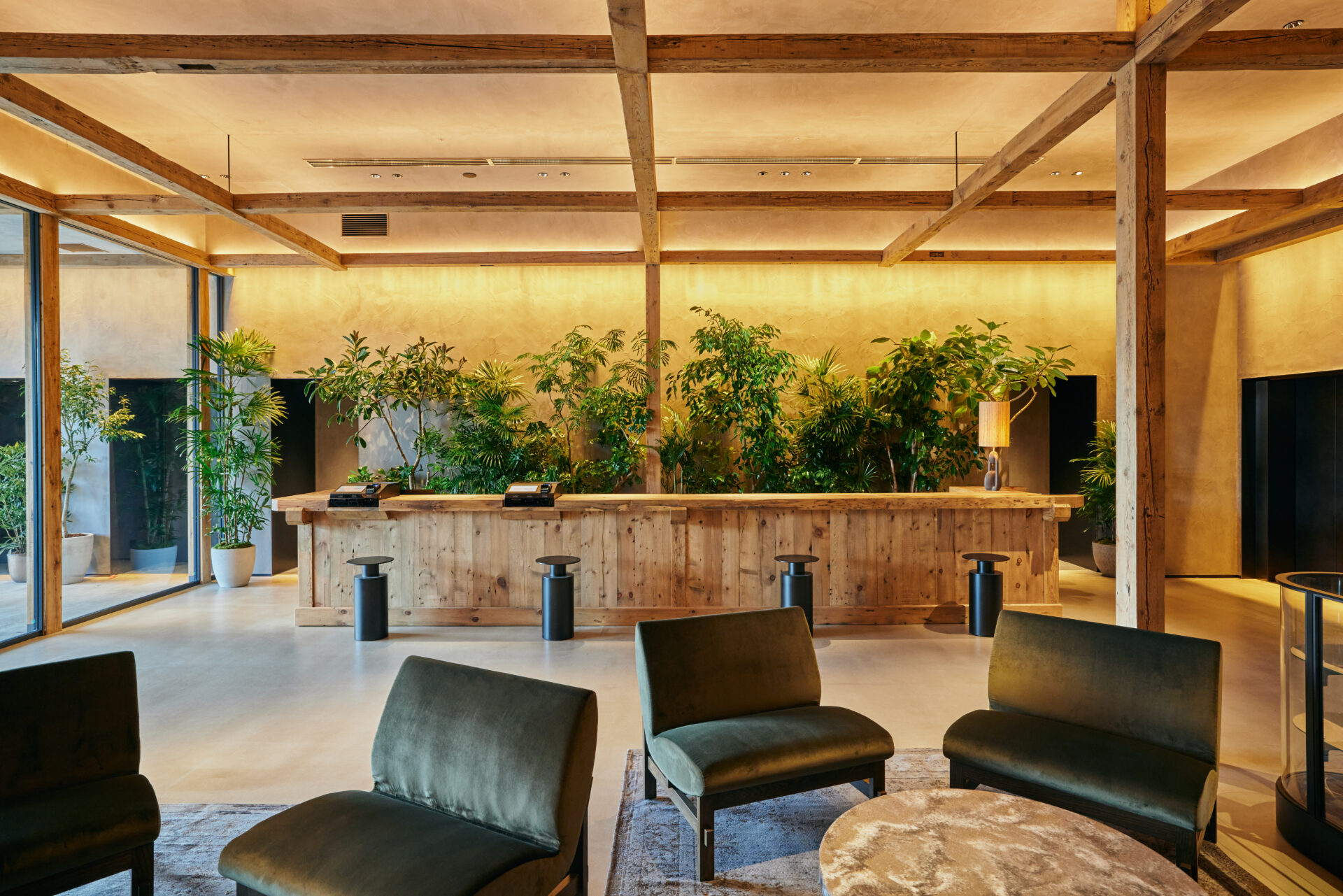
This time, we will introduce NOHGA HOTEL KIYMIZU KYOTO, located in the heart of Higashiyama and Kiyomizu. Combining the spirit of travel with a modern sensibility, this hotel is deepening its presence as a hub of local culture.
SDGs area of this content
-
 "HANDS FREE KYOTO," operated by the Kyoto City Tourism Association, is a website that compiles hands-free sightseeing information to help tourists explore Kyoto comfortably. It clearly introduces information on delivery services for sending large luggage to accommodations, as well as counters and coin lockers where you can temporarily store your luggage, along with a map of the Kyoto Station area.
SDGs area of this content
Kyoto experienceKyoto tourism moralsKyoto sustainable tourismKyoto sightseeing






 Kyoto
experience
Kyoto
experience Contact us by phone
 Contact by email