

 English
  日本語
日本語 Latest information on content and events
CONTENTS / EVENT
-
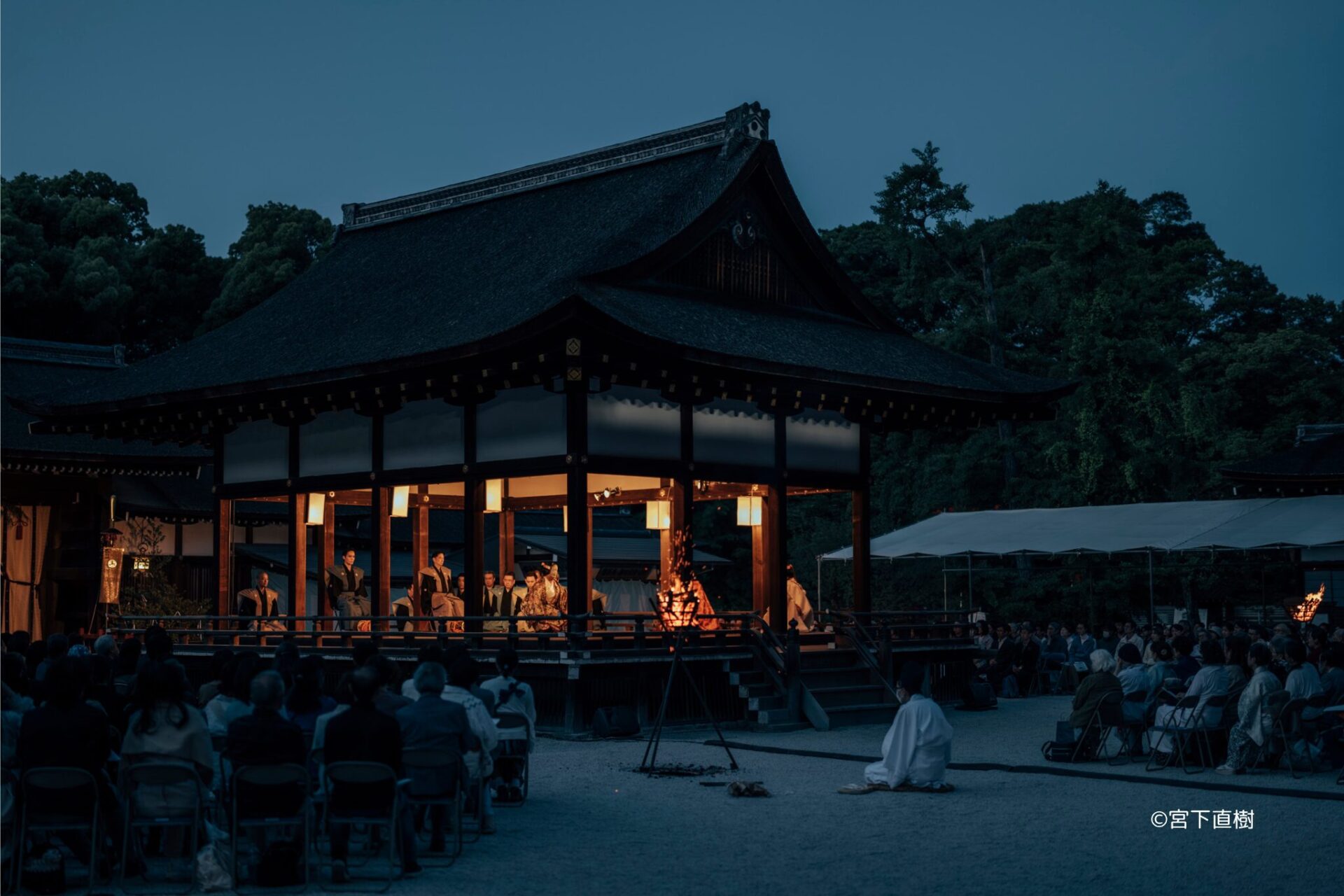
 "Tadasu Noh" is an outdoor Noh performance set in the Kamo Mioya Shrine Dance Hall (an important cultural property), which was originally performed in front of Shogun Ashikaga Yoshimasa and other distinguished feudal lords in 1464, about 550 years ago, and was revived for the first time in 550 years on the occasion of the 34th Shikinen Sengu (yearly rebuilding) of Kamo Mioya Shrine. In 2019, to commemorate the enthronement of Reiwa, the performance was renamed "Tadasu Noh" and has been held every year as a post-ceremony ritual for the Kamo Festival (Aoi Festival). The shrine rebuilding ceremony at Kamo Mioya Shrine began 2,100 years ago, and the 60th rebuilding ceremony in 2036 will be held. Furthermore, by imperial decree of Emperor Go-Ichijo, the system of Shikinen Sengu was established, with the first one being held every 20 years on April 13, 1036. The 35th Shikinen Sengu will mark the auspicious anniversary of 1,000 years.
SustainableTadasu abilityCulturalKyoto sustainable tourismsustainable
-
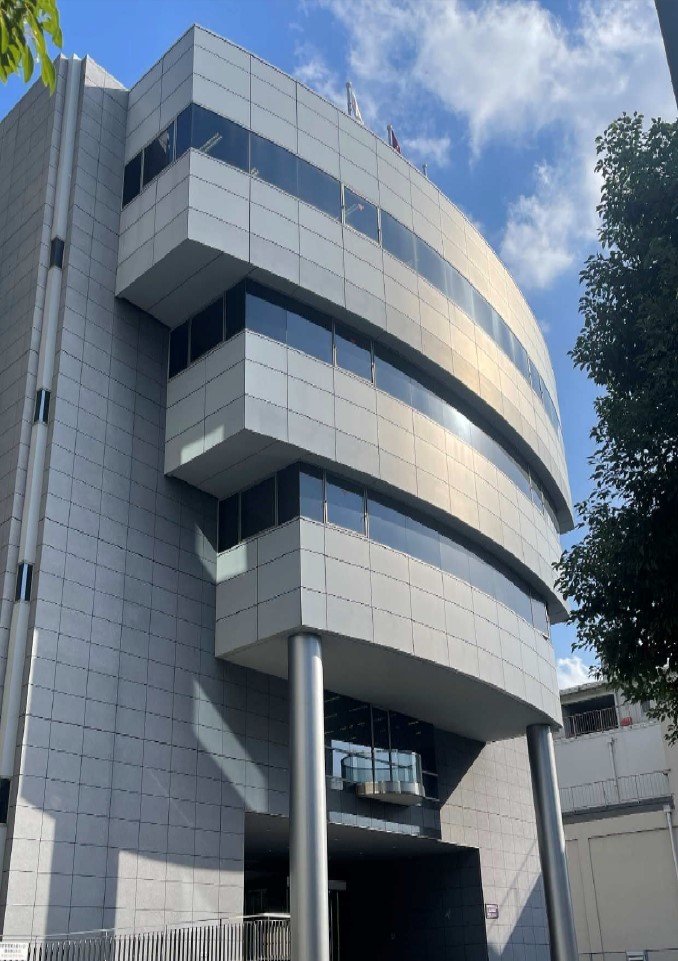
 Since its founding in 1901, the Kyoto Institute of Invention and Innovation has supported local industry and intellectual property for over 100 years. This Kyoto Invention Classroom program explores the mechanisms of invention and the role of intellectual property through topics ranging from historical inventions born in Kyoto to the latest technologies that support our daily lives. Through lectures and hands-on workshops, this exploratory learning program allows children to pose their own questions, search for answers, and grasp clues for solving future problems. It combines traditional wisdom with modern technology to foster creativity and multifaceted thinking.
SDGs area of this content
Field trips for adultsinventionEdisonWorkshopKyoto Institute of Invention and InnovationKyoto experienceLINK KYOTOsustainable
-
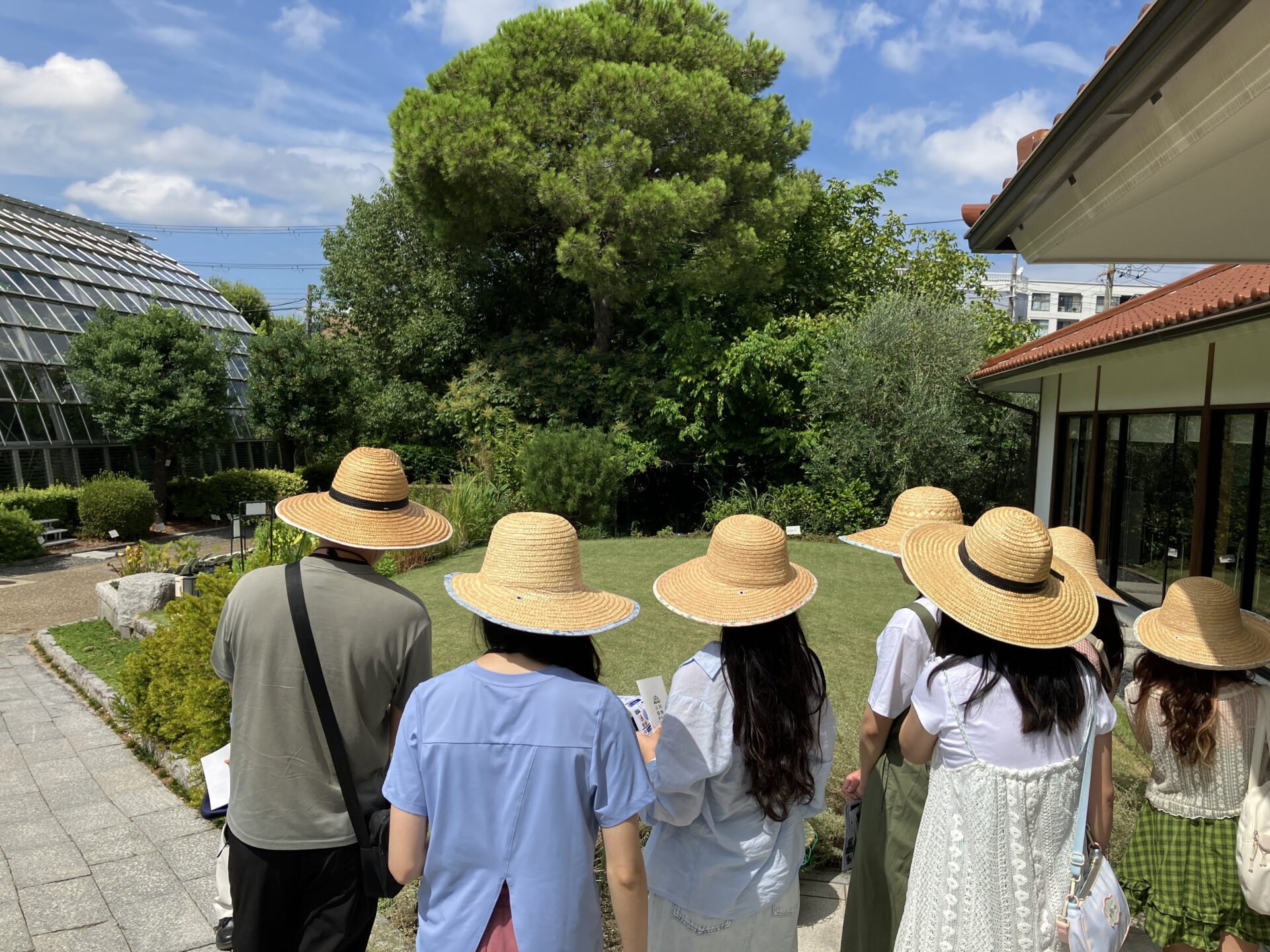
 We are committed to contributing to people's health through pharmaceuticals and functional foods. Santonin, our revolutionary roundworm treatment, is made from the plant Artemisia miltiorrhiza. The world is home to a diverse range of plants, from the trees you see on your way to school to plants that produce fruit for snacks and even medicinal plants. The Yamashina Botanical Museum collects and cultivates approximately 3,000 species of plants from around the world. During your tour, you will experience the mysterious allure of plants. You will also learn about the evolution of pharmaceutical development throughout our company's history. Furthermore, you can utilize this opportunity for career development through interactions with employees who are committed to contributing to health.
SDGs area of this content
Field trips for adultsplantmedicineLINK KYOTOhistoryexperience
-
Tea creates dialogue between people. When you want to have a conversation with someone, it is customary to invite them to have tea, but tea encourages conversation between people and deepens bonds. We Japanese are aware of this. Now, let's focus on tea once again and remember the richness of daily life through dialogue, not conflict. In Japan, a room where people gather together has long been called a "cha-no-ma." We will remind people of the richness of the heart that comes from talking to each other and drinking tea in a space where tea is present. Through something as familiar as tea, we will create an opportunity to think about the feelings of peace in our own hearts and the nature of communication in modern times, where human relationships are becoming weaker. Fukujuen, a long-established tea shop in Kyoto that co-developed the well-known Suntory [Iyemon], will explain the history and value of tea.
SDGs area of this content
Field trips for adultsKyoto experienceUji teatea roomLINK KYOTOhistorytraditional cultureSDGs
-
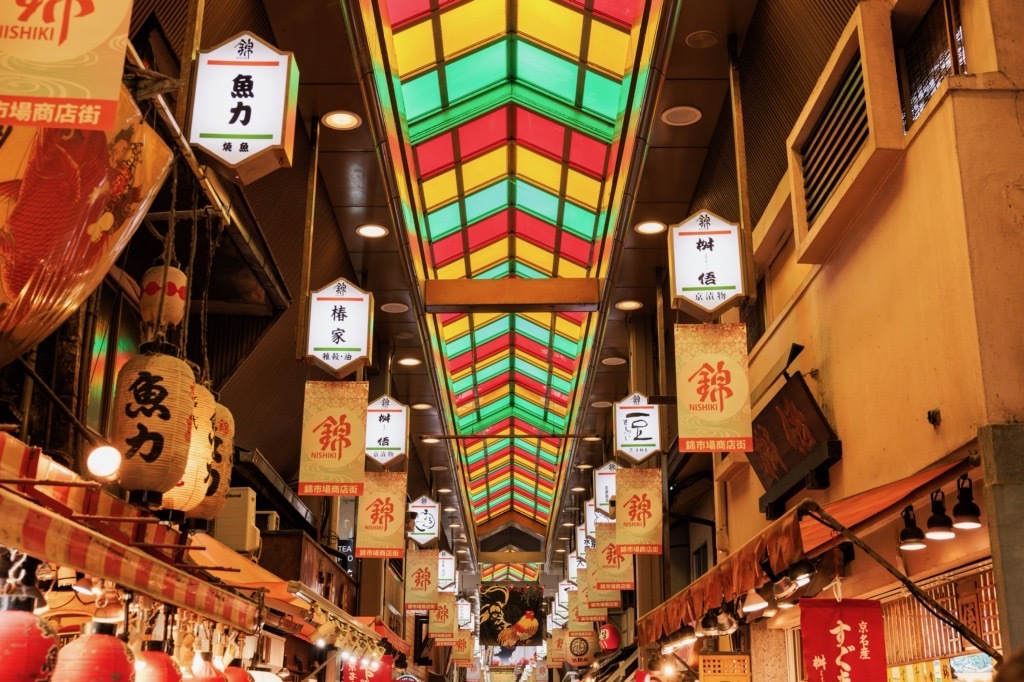
 ~Considering the future of "Kyoto's Kitchen"~ Nishiki Market has flourished as a fish wholesaler since the Edo period, with over 130 stores lined up along a 390-meter stretch from Teramachi to Takakura. Walking through the long market is also like walking down a road of 400 years of history. Learn about 400 years of history and food culture, and think about Nishiki Market's "responsibility to the future" in the field of "food," which is closely linked to the SDGs!
SDGs area of this content
Field trips for adultsNishiki Market Shopping Street, KyotoLINK KYOTOKyoto sustainable tourismexperienceHospitalityKyoto culture
-
In Kyoto City, under the working group of the "Kyoto Carbon-Free Lifestyle Promotion Team - 2050 Kyoto Meeting", a project has been created to connect the choices of each individual in their lives to carbon-free living. The "Project to Make Vegetarian Restaurants Visible" has been working to introduce restaurants that offer vegan options, aiming to reduce the environmental impact of food by increasing the number of vegetarian options. As part of this project, a walking tour that includes a vegan food experience will be held for the general public to enjoy walking around the city.
SDGs area of this content
VeganVegetarianEnvironmental loadLink KyotoLINK KYOTOKyoto tourism moralsKyoto sustainable tourismsustainabledecarbonizationcarbon neutralcarbon offset
-
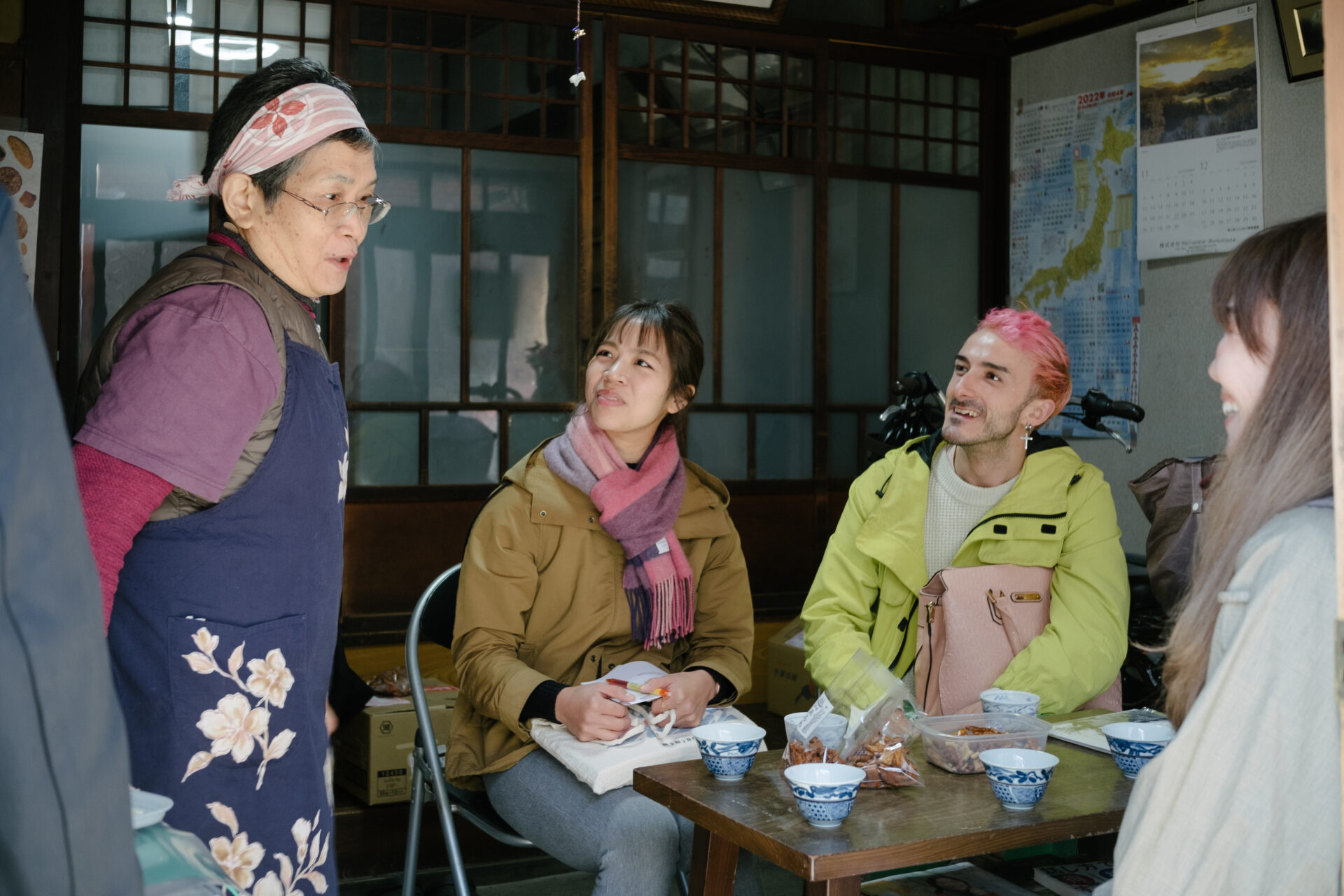
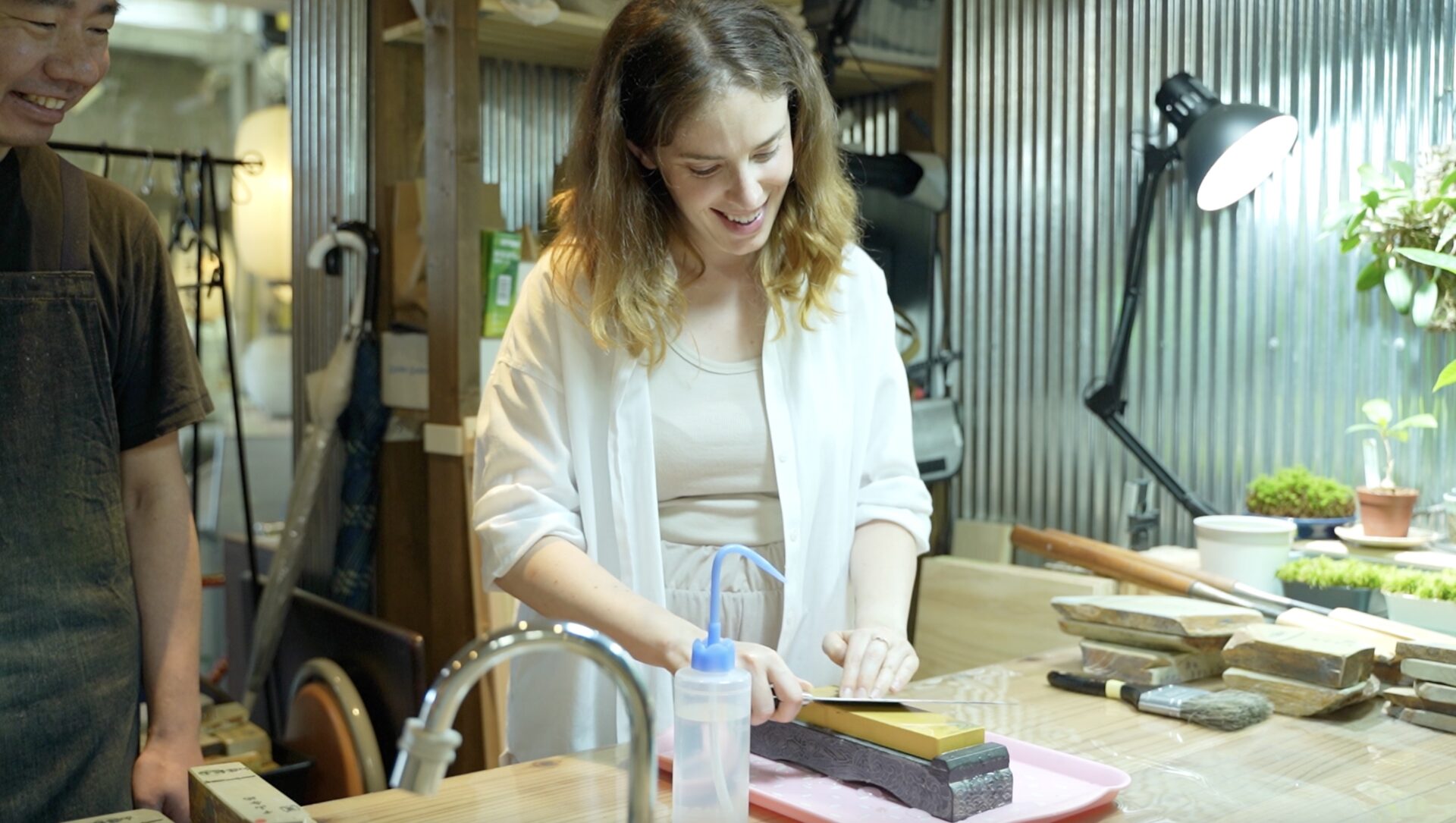
 Furukawacho Shopping District Lifestyle/Food Culture Experience This is a plan where you can choose two of the following five experiences. All experiences will be accompanied by an English-speaking guide.
LINK KYOTOShirakawaFurukawa TownChion-in TempleexperienceKyoto's Unique VenuesFood cultureKyoto cultureJapanese sakeKyoto cuisineJapanese foodtraditional culture
-
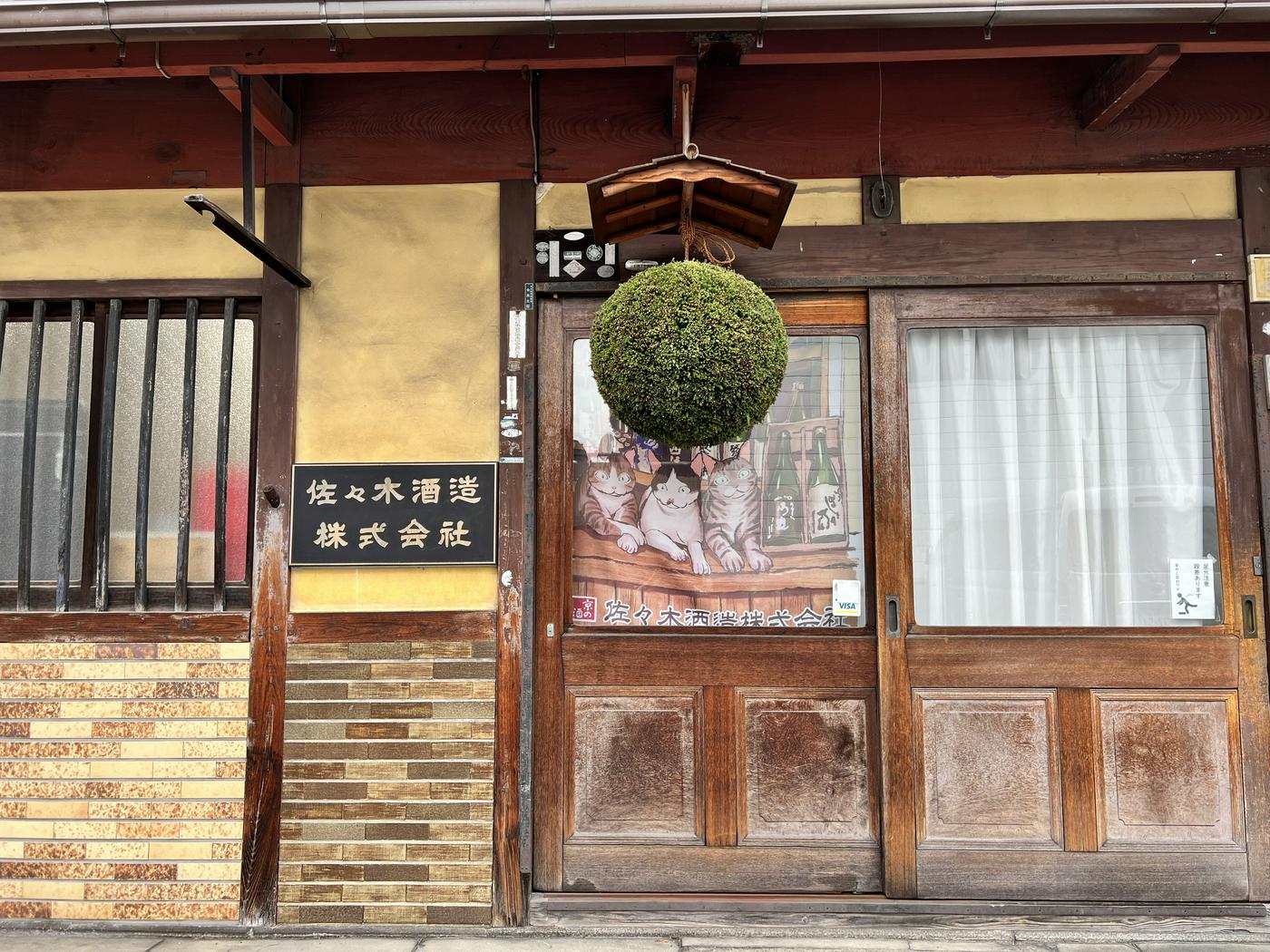
 Enjoy a sake brewery tour with all five senses at a sake brewery that is normally closed to the public Sasaki Sake Brewery continues to make sake in the middle of Kyoto. Located on the site of Jurakudai, which was loved by Toyotomi Hideyoshi, we continue to brew all our sake using hand-made techniques handed down in Kyoto and Rakuchu. In this plan, you can experience sake brewing in Rakuchu, which has been passed down for a long time. At the end, we will include a tasting comparison of 5 types of sake recommended by the brewer depending on the season!
Link KyotoLINK KYOTOSake brewerySake tourismSake brewery tourRakuchuToyotomi HideyoshiexperienceKyoto's Unique VenuesKyoto cultureJapanese sake
-
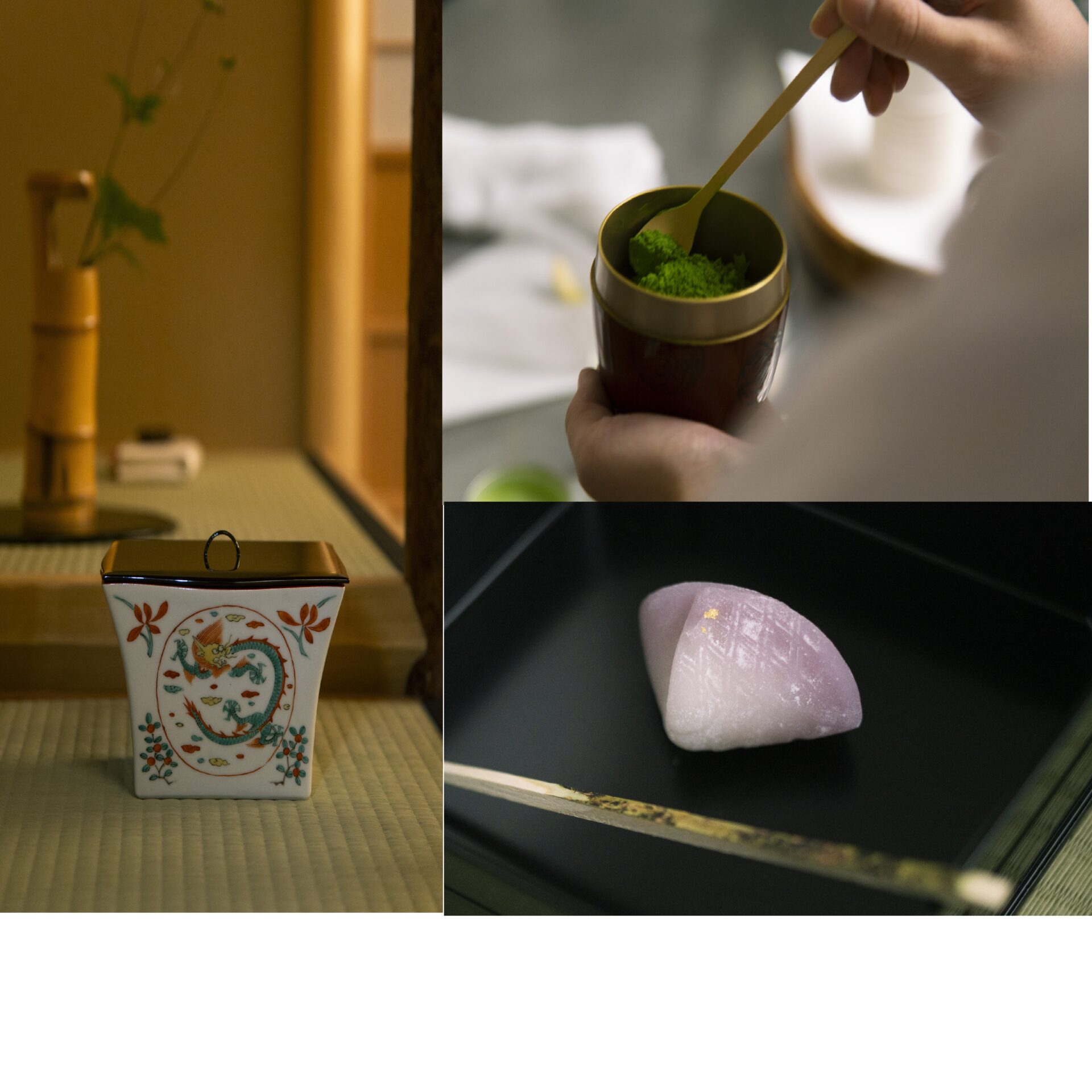
 Inside Towaryokan, located near Nishi Honganji Temple, there is a tea room called ``Seikaan,'' named after the 16th head master of the Urasenke school. We have set up a gentle and fun tea party experience plan for a limited time, because we want everyone to have a gentle time experience in this quiet and tranquil space. The tea ceremony has an image of being difficult to enter, but even beginners are welcome! Please feel free to join us! We will carefully guide you through the process while listening to explanations about etiquette when entering the tea room, viewing the beds and flowers, etc. Please relax and take photos while seated. Although it is near Kyoto Station, which is busy, it is quiet and gentle...that's how time passes. Please feel free to join us for a cultural experience in Kyoto.
tea ceremonyTea CeremonyTea ceremony experienceLink KyotoKyoto experienceKyoto StationTea ceremonytea roomLINK KYOTOKyoto sightseeingexperienceKyoto culturetraditional culture
-
 We will hear about the history of Kyoto and traditional crafts, as well as the current and future prospects. We hope that you will be able to use this information to think about your own future by learning about the connection between school studies and society. You will also learn about how crafts are a part of our daily lives.
SDGs area of this content
Field trips for adultsMakieSculptureKyoto hand-drawn yuzentraditional craftsLINK KYOTOKyoto culturetraditional culture



 Kyoto
experience
Kyoto
experience Contact us by phone
 Contact by email