

[Column series]A More Local Kyoto: Bring a Container, Wander the Everyday Markets. Pack an empty lunchbox and eat your way through Kyoto's family-run shops.
For those who want to experience something that shows the everyday Kyoto that is not a tourist destination—there is something you might want to try out.
京都には地元の人が毎日買い物している味のある商店街が、まだあちこちに残っています。
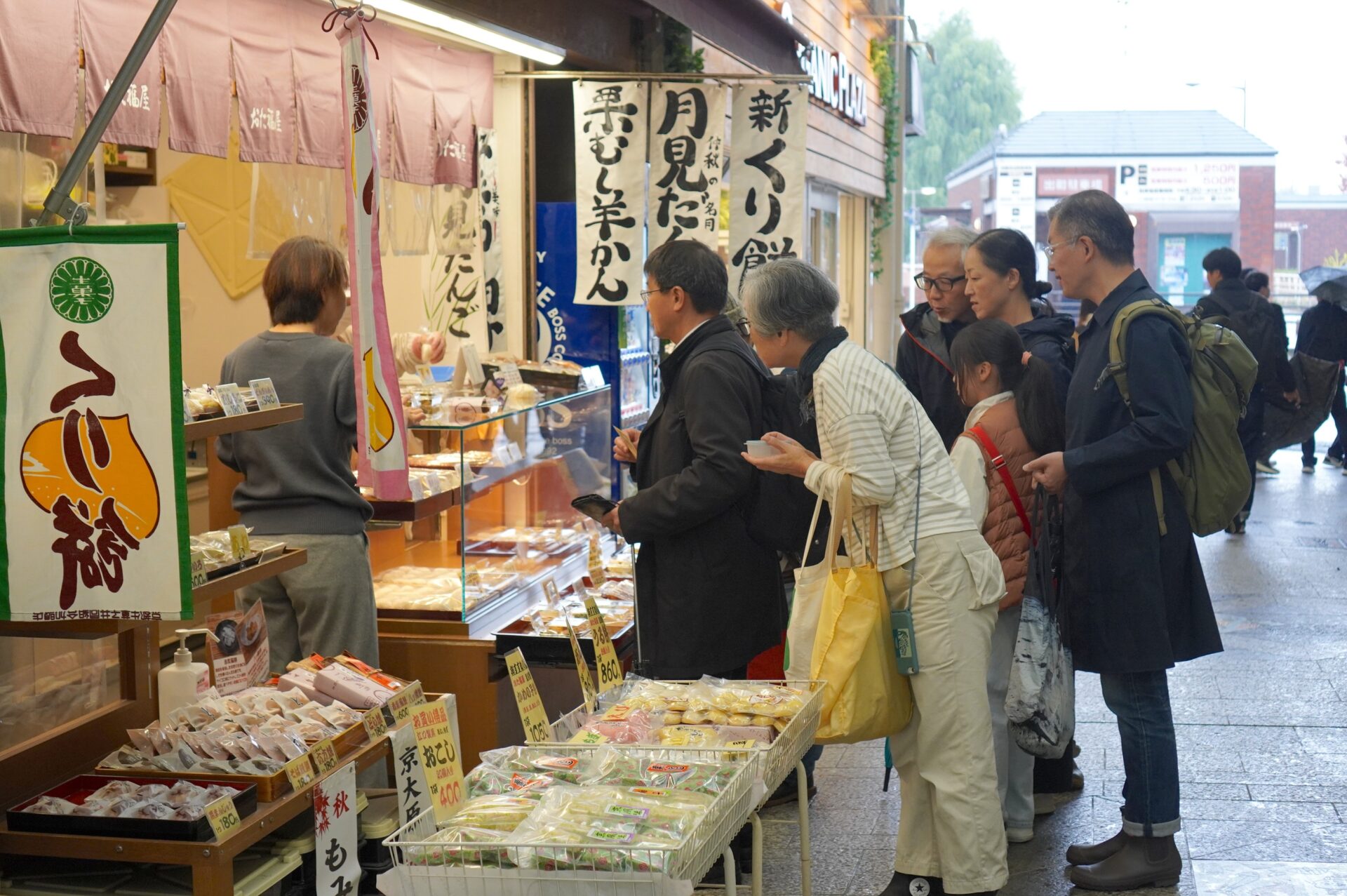
Between the famous temples and shrines, Kyoto still hides dozens of shotengai: neighborhood shopping streets, many of them long covered arcades, where residents do their daily shopping. There's Demachi Masugata, beside Demachiyanagi in the north of the city; Sanjokai, an 800-meter arcade south of Nijo Castle and one of the longest in Kyoto; and more in the residential neighborhoods of Saiin, Senbon, and Ichijoji. Tofu makers, wagashi (traditional sweet) shops, butchers, greengrocers — the air is full of ordinary life, a world away from the big sightseeing spots.
Why not walk through these shopping districts in a slightly different way?
One small container changes the whole experience
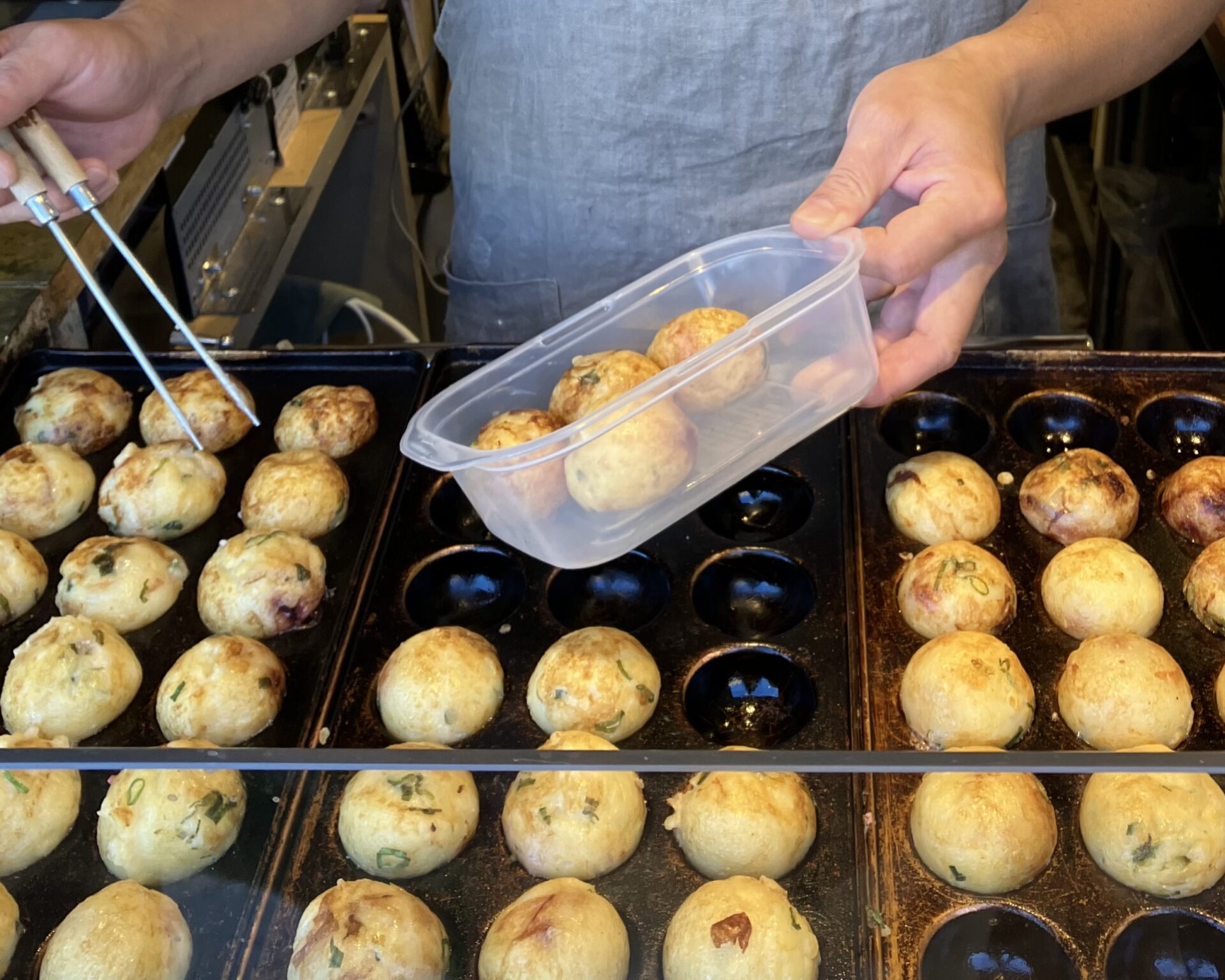
So here's the idea: shop the shotengai with your own container. When you spot something you'd like, just ask:
"Could you put it in this container?" Kono yōki ni irete moraemasu ka? (この容器に入れてもらえますか?)
揚げたてのコロッケを、そのまま容器へ。和菓子屋さんで「何個入りますかね?」と一緒に考える。
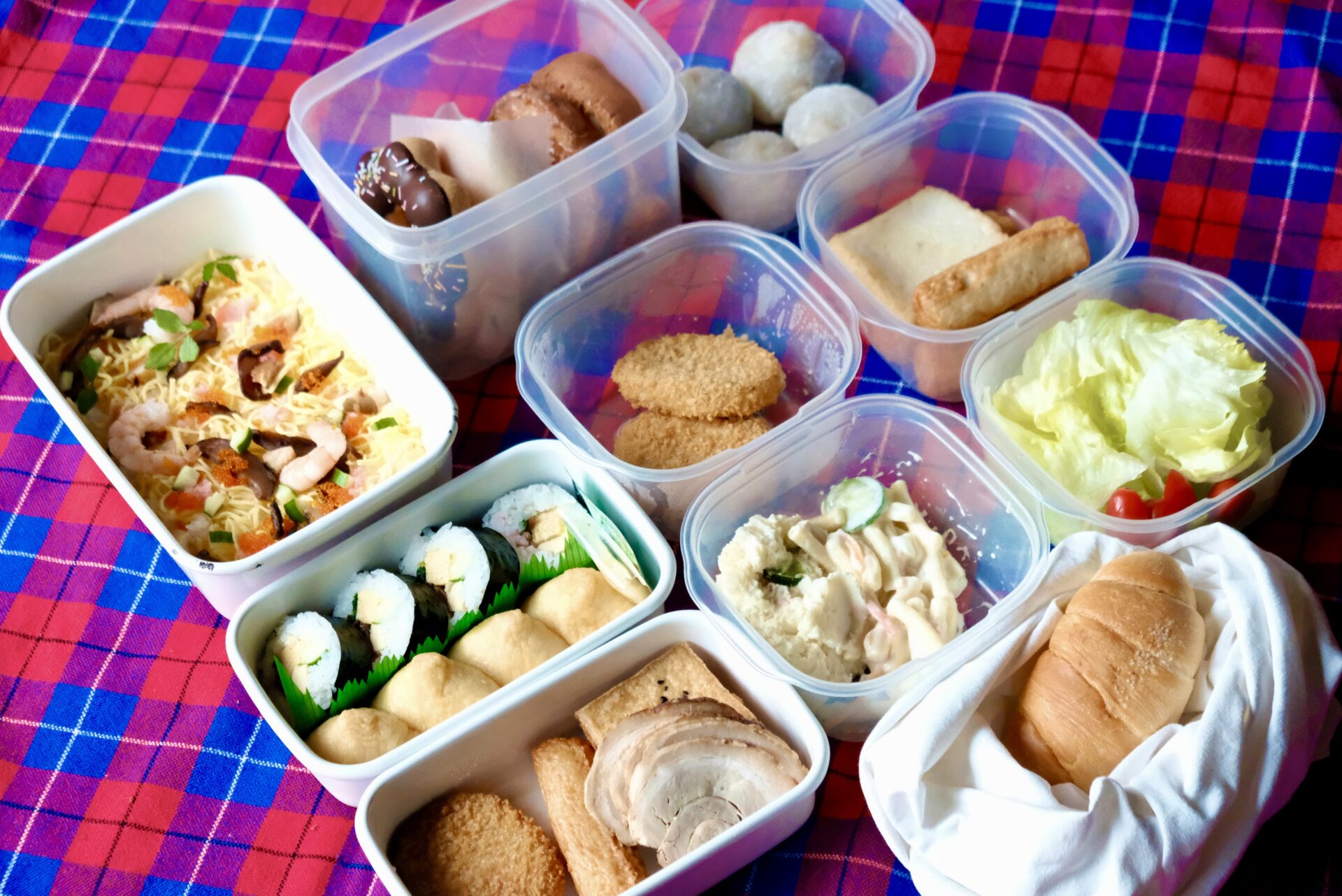
A piece of tempura, still crackling from the fryer, goes straight in. At the sweet shop, you and the owner work out how many will fit. The sushi maker packs your box with quiet care. That little extra step is often what sparks a conversation — and for a moment you're shopping the neighborhood the way a local does, not just passing through it. Some shops even take a little off the price for bringing your own cup.
そのひと手間が会話を生みます。
観光客としてではなく、ちょっとローカルな顔でお店に入れる感覚、なかなか新鮮ですよ。
A few tips. "Container" can be almost anything you already carry — a lunchbox, a collapsible silicone cup like a Stojo, a tumbler, even a gusseted Stasher-style bag. No need to pack one specially; keep it in your bag for odds and ends and take it out when you need it. Or make it a souvenir: pick up a magewappa (bentwood lunchbox) or a cute bento box — sold in bento shops and zakka (general-goods) stores — and start using it on the spot. Bring it clean and dry, and if the words escape you, just hold out the open container, gesture toward what you'd like, and smile.
Why it matters — and why it's easier.
Start with the practical: Japan has famously few public bins, and any traveler knows the low-grade stress of carrying an empty bottle and a handful of wrappers around for hours until one finally appears. Every time you fill your own container, that's packaging you never take on in the first place.
そんな残念な現状を変える、サステナブルな小さなアクション。旅の中の小さな選択が、ちゃんと意味を持ちます。
It adds up environmentally, too. Plastic is made from petroleum — naphtha, specifically — and the "free" takeaway container is quietly baked into the price (a coffee cup and lid run about ¥30). Japan produces one of the world's highest volumes of plastic packaging waste per person, second only to the United States by a widely cited 2018 UN Environment estimate. Individually wrapped everything is so woven into daily life here that it's easy to stop noticing — so a visitor who opts out sends a quiet signal that there's real appetite for something lighter. Small choices, real weight.
So once you've done the classic temple-and-garden circuit, pack a container and head for a shotengai — where the city simply gets on with its day.
See it for yourself
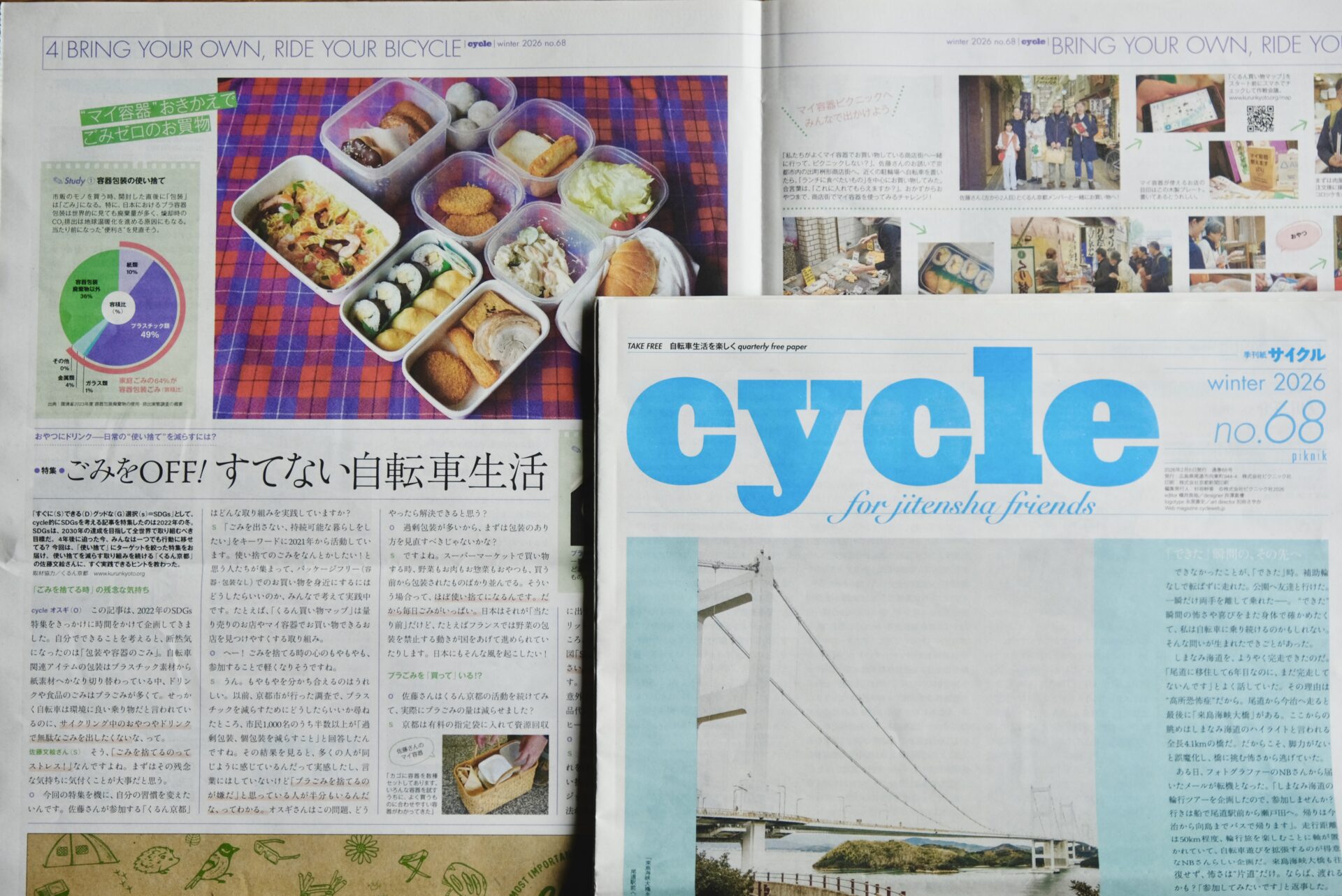
The cycling free magazine cycle ran a photo feature on a container shopping trip through Demachi Masugata — croquettes, tofu, sweets, sushi, then a group picnic in the park. It's in Japanese, but the photos carry it: you'll get the whole day at a glance.
cycle magazine: "Trash Off! A No-Waste Bike Life"
https://cycleweb.jp/magazine/detail/372
Which shops are happy to do it? The Kurun Kyoto shopping map
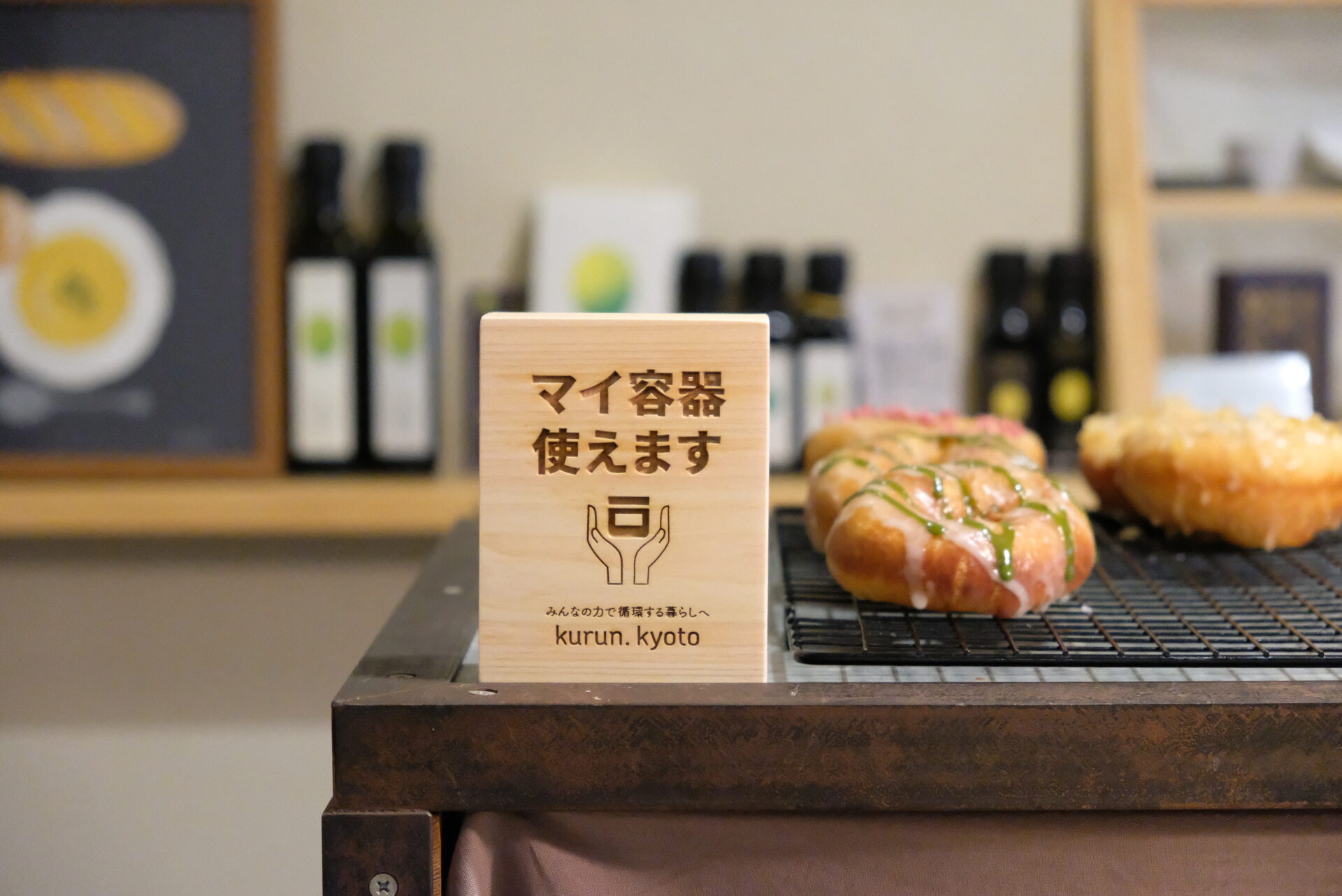
A citizen-led project called Kurun Kyoto maps the shops that welcome your own container — over 100 in Kyoto Prefecture alone. In participating shops, look for a small wooden plate like the one in the photo below. Then it's just a matter of walking.
Once you know which stores will accept it, all that’s left is to walk.
See the Krun Shopping Map
https://www.kurunkyoto.org/map
Shop together: "My Container Picnic"
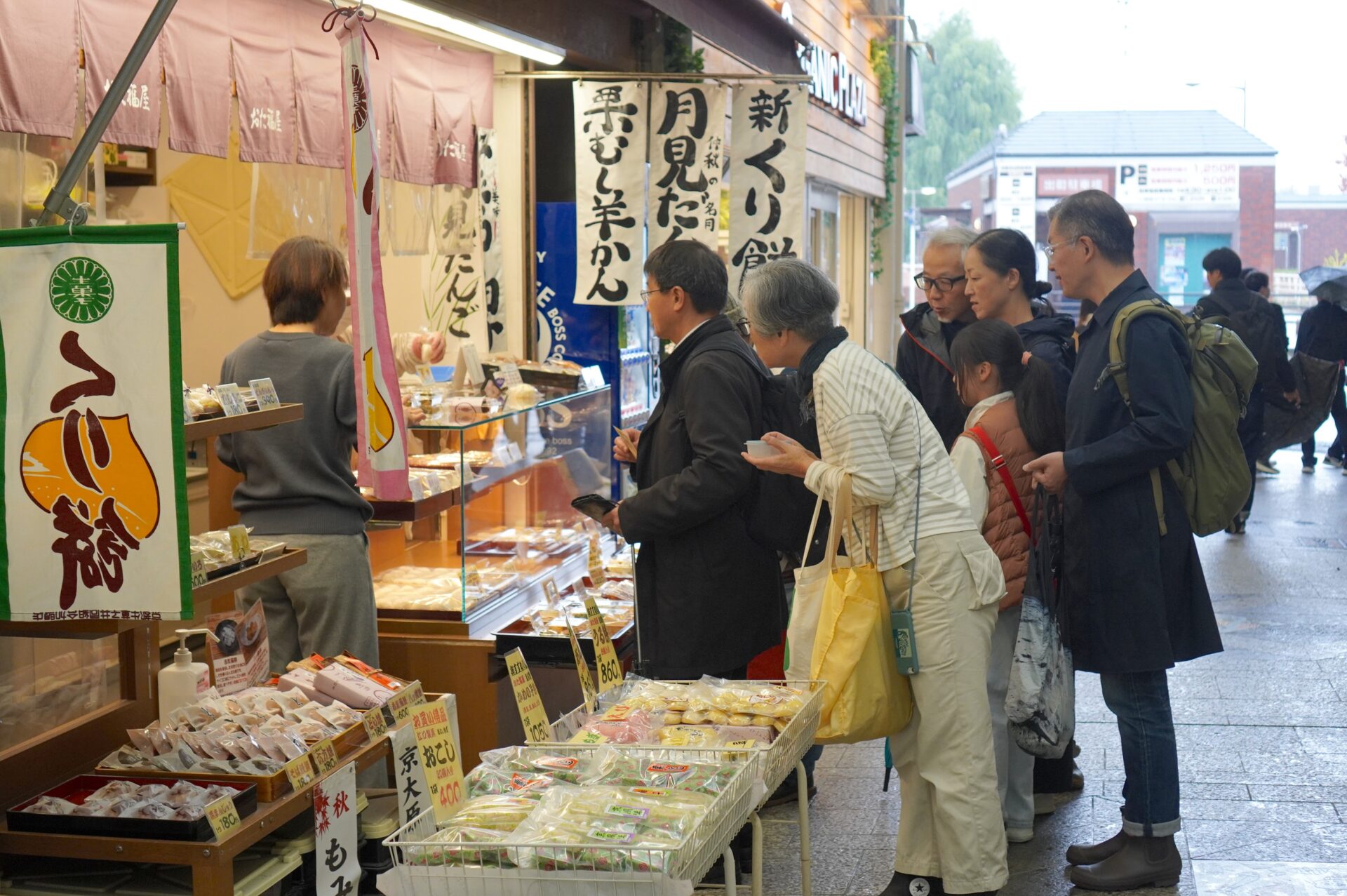
A few times a year, Kurun Kyoto holds events where everyone shops the market with their own containers, then picnics together. Come join us and meet the locals. Events are announced on Kurun Kyoto's Instagram.
開催情報はインスタグラムで告知されています。
Kurun Kyoto Official Website http://kurunkyoto.org