

Meet Kyoto of a Thousand Years ~Nakamura Candle~ The softly flickering light connects Kyoto's future
A journey to encounter a millennium-old culture
Kyoto, the capital of Japan for a thousand years, has continued to preserve its cultural roots while changing with the seasons.
When travelers walk through Kyoto, what they encounter is not only its scenery or traditions. They also come into contact with the ways of life that people have woven over generations, and with the “time of culture” embedded even in the smallest grains of material.
In this special feature, "Encountering a Thousand-Year-Old Kyoto," we visit businesses that are tackling the "inheritance of invisible culture" head-on and explore the essence of regenerative tourism - nurturing the future together with the local community.
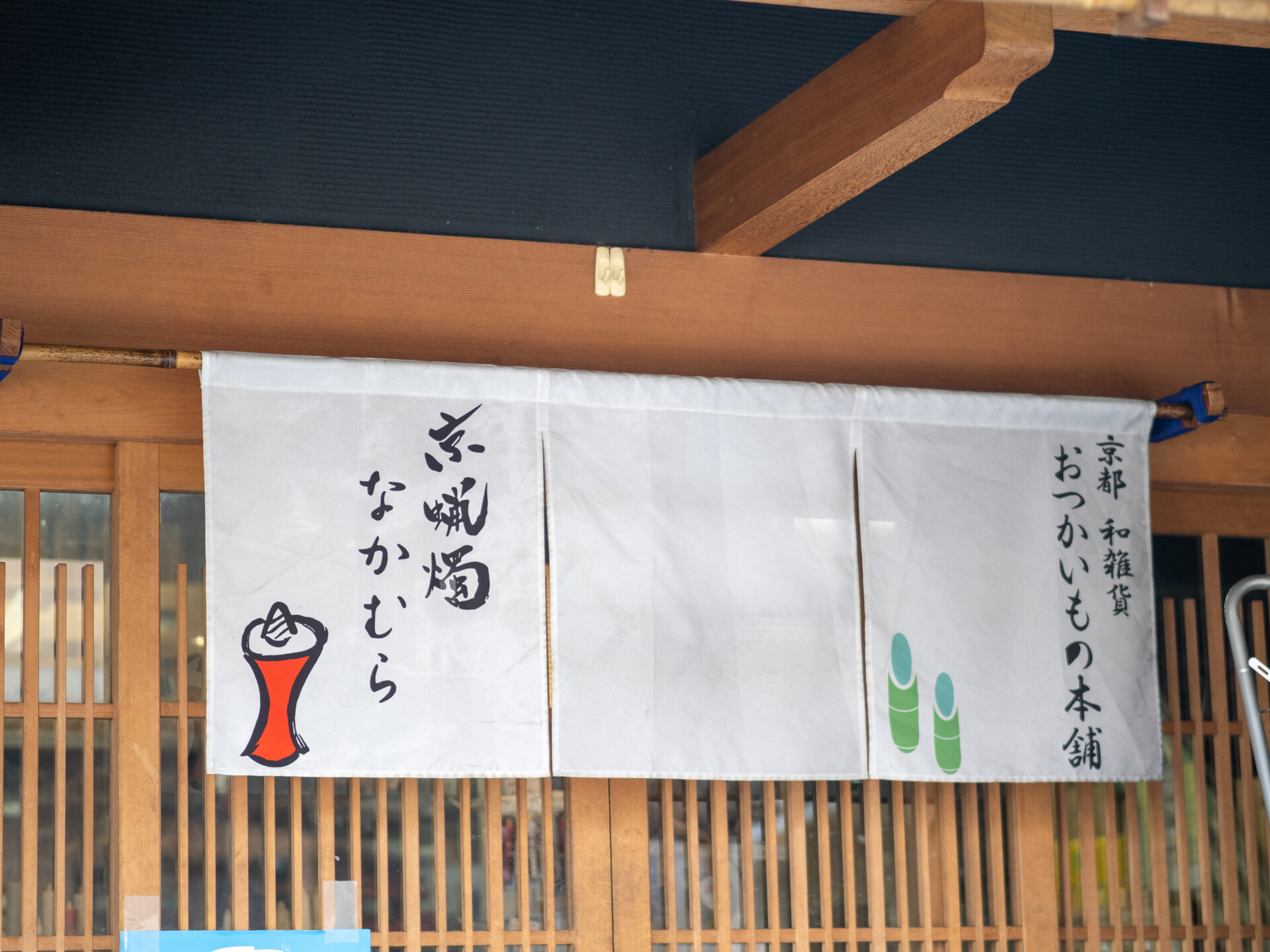
This time we will introduce Nakamura Candle, a company that has been dedicated to making Japanese candles since its founding in 1887 (Meiji 20).
We spoke with CEO Hirokazu Tagawa about the company's efforts to preserve this "intangible culture" that has been passed down through the light of candles.
Features of this Plan
◇What is Nakamura Candle in Kyoto?
Nakamura Candles has been making candles in Kyoto for four generations since its founding in 1887. Starting out by making candles to be offered at temples, the company now conveys the charm of Japanese candles to people both in Japan and overseas through its "flower candles" and experience classes.
Japanese candles are made using vegetable wax such as wax and rice bran, and the wick is made using the traditional method of Japanese paper wrapped around rush pith.
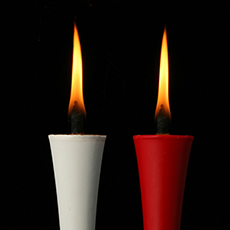
Compared to Western candles, the flame of Japanese candles flickers more dramatically, making them highly valued for illuminating Buddhist altars, Noh stages, and tea ceremonies.
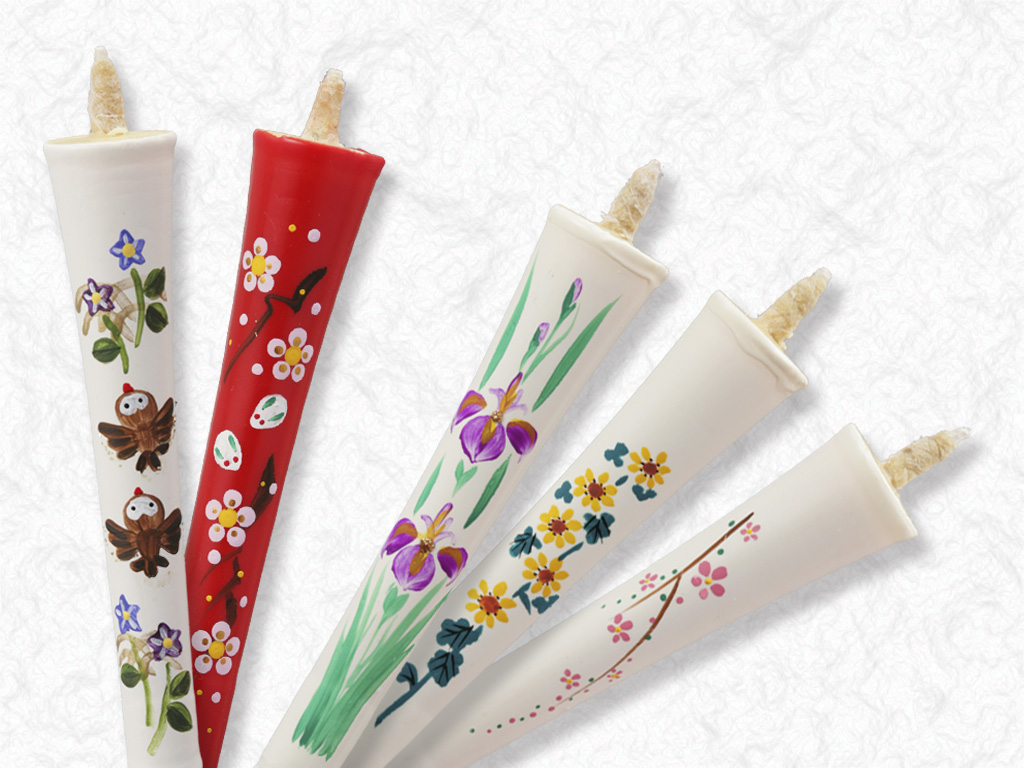
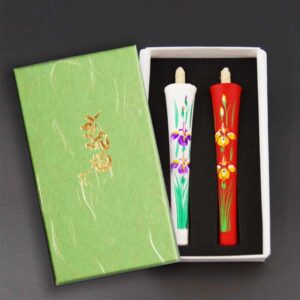
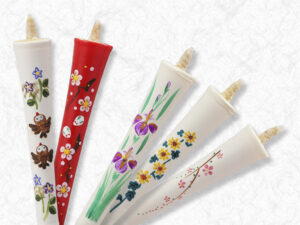
In recent years, flower candles painted by Kyo-Yuzen artists have become popular and have become a new souvenir from Kyoto.
Flower candles drawn by a Kyo-Yuzen artist (Image provided by Nakamura Candle)
◇ Lighting up together with the community
The starting point of Tagawa's activities is the desire to "repay the kindness of the community for their support through light."
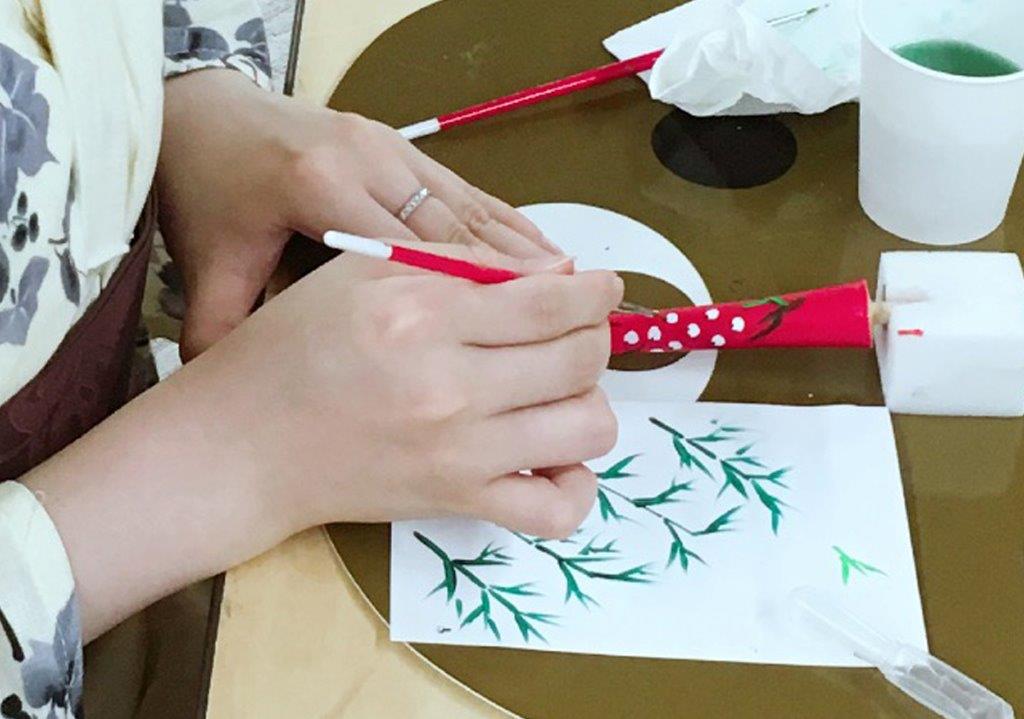
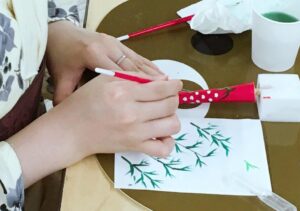
After her father's accident, she became interested in welfare for people with disabilities and devised a kit that allows people with disabilities to experience painting.
Furthermore, at Fushimi Port,Akari Event" and lantern making with the children of Takeda Elementary School.This also ties into disaster prevention education for children, teaching them that "fire is not dangerous, and if handled properly, it can have the power to protect people."

A Japanese candle making experience (Photo provided by Nakamura Candle)
◇ Techniques and philosophy that bring tradition to life
The light of Japanese candles is not just a source of light, but also a symbol of prayer.
Tagawa values the spirit of "circular manufacturing" that candles have.
Candles are made from plants and extinguish with minimal soot, making them a truly sustainable form of coexistence with nature.The philosophy is "Kyoto Eternal Light Project" also lives on in the
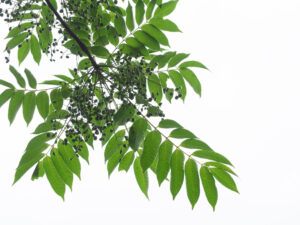
In collaboration with Kyoto City, we have begun an initiative to grow the raw material, Haze, again in the Keihoku region.
By producing locally produced raw materials, we are creating a new cycle that will brighten the future of the environment, artisans, and local communities.
Growing wax trees, the raw material for Japanese candles, in the mountain village of Keihoku (Image: AdobeStock)
◇ Inheriting trust and continuing systems
There are only about 20 Japanese candle craftsmen in the whole country. While the number of craftsmen who make the tools is also decreasing, Nakamura CandleWe are building a system where we support each other by continuing to sell
They assign work to craftsmen and business partners and make sure that there is no interruption in subcontracting.On his days off, he personally gives hands-on instruction, conveying the techniques and charm of the craft to the younger generation.
"My role is to make sure there is no interruption in work," says Tagawa.
He also works as a behind-the-scenes producer supporting traditional culture through collaborations with temples and geisha and maiko.
Its existence is indispensable as a hub connecting the diverse people of Kyoto.Japanese candle craftsmen connect the diverse people of Kyoto (Image provided by Nakamura Candle)
◇A light that will illuminate a thousand years
In Tagawa's words, "Light is not something that is visible in front of the eyes, but something that exists behind the scenes to support others."
Deep within these flames lives the "culture of connections" that Kyoto has preserved for a thousand years.

Japanese candle light (Image provided by Nakamura Candle)
SDGs area of this content
Cultural Tourism ContentsJapanese candle painting experience in Fushimi, Kyoto
Please apply from
Related article: Special issue "Encountering Kyoto, a Thousand Years Old"
Nakamura Candle - A quietly flickering light connects Kyoto's future -
Hiiragiya - Modest and casual. An inn that illuminates the heart of Kyoto.